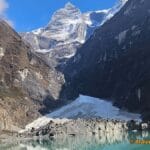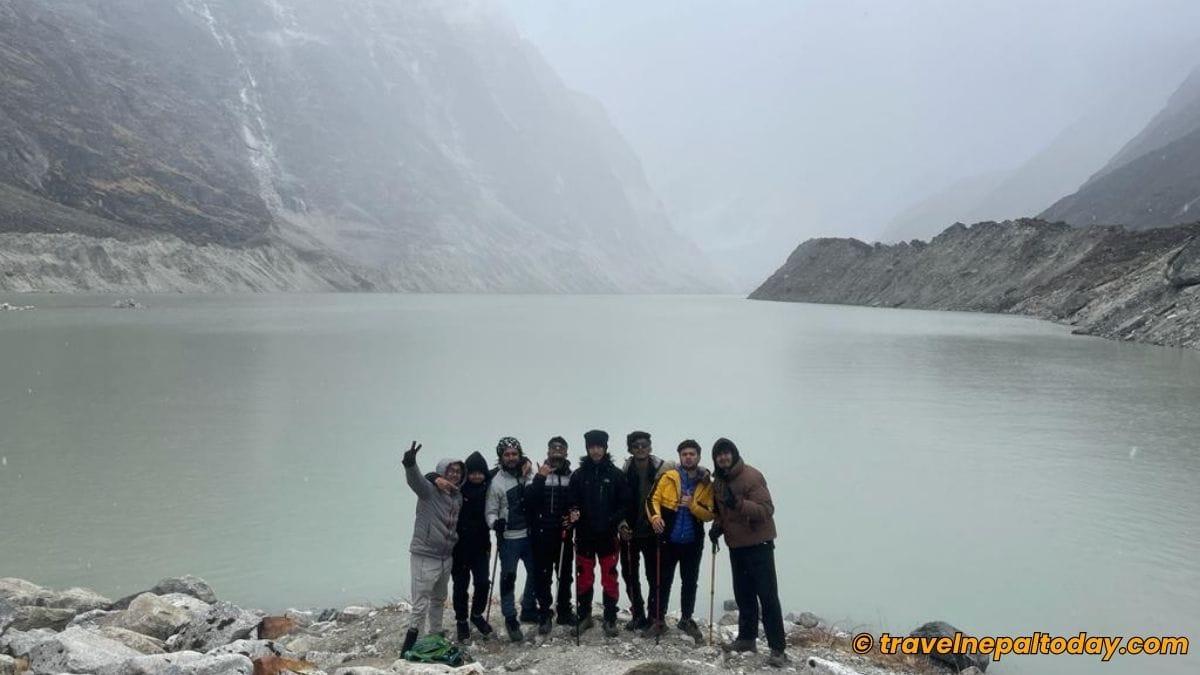
Tsho Rolpa is one of Nepal’s largest glacial lakes, and it boasts one of the finest trekking trails in the country.
The scenic views of the Dolakha district, coupled with intriguing Yeti folklore, made my visit in April 2022 unforgettable.
Unlike busy trails like Tilicho and Annapurna Base Camp (ABC), Tsho Rolpa remains relatively untouched. This solitude makes it an ideal trek for peace lovers.
In this article, we’ll dive into a detailed itinerary and cost breakdown of this 6-day adventure. We’ll also highlight a hidden gem in the region—Dudhkunda!
Let’s get started, shall we?
Key Facts About Tsho Rolpa and Dudhkunda
| Known For | Biggest glacial lake in Nepal (source) |
| Region | Gaurishankhar CA, Rolwaling Valley, Dolakha |
| Altitude | 4,580m (Tsho Rolpa) |
| Max. Altitude | 4700-4800m approx. (Dudhkunda) |
| Trip Duration | 6 days |
| Trek Duration | 5 days |
| Difficulty Level | Moderate |
| Best Months | September-November, March-May |
Day 1: Kathmandu – Chhetchhet & Hike to Simigaun
Chhetchhet marks the starting point of the Tsho Rolpa-Dudhkunda trek. You can take a direct bus from Jadibuti, Kathmandu.
I recommend catching the earliest bus available. Although the buses depart quickly, they slow down after crossing Charikot.
If you’re using a private vehicle, the journey takes about 7-8 hours. Public buses may stretch that to 10-12 hours.
Rolwaling Yatayat operates these routes, and tickets can be pre-booked online (via eSewa, Khalti, etc.).
In our trip, we were lucky to board the bus at Chabahil Chowk around 4 AM. Depending on your convenience, you can coordinate with the driver to confirm your boarding point.
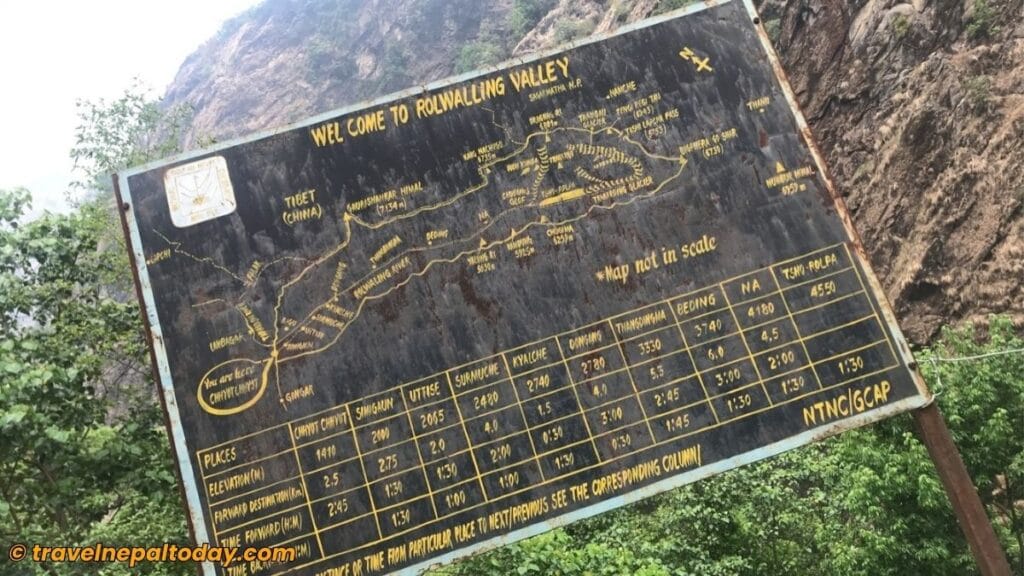
You should reach Chhetchhet by 3-4 PM. This gives you enough time for an additional two-hour uphill walk to Simigaun, where plenty of hotels are available.
Tips:
- Chhetchhet is the last stop to stock up on supplies. I highly recommend packing a plastic raincoat because the weather here is unpredictable.
- Be mentally prepared for an uphill climb on the first day—it’s a challenging start!
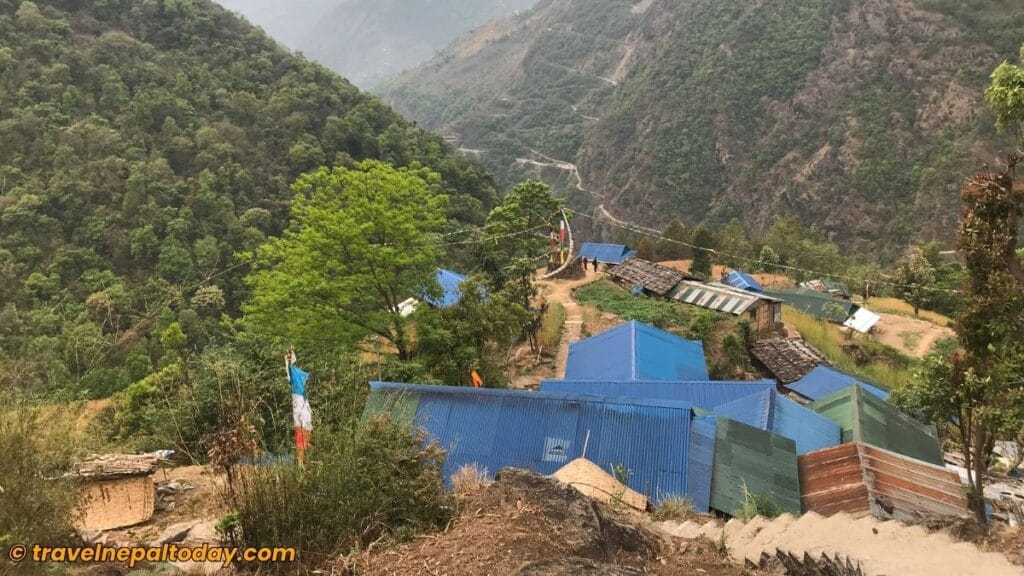
Day 2: Simigaun to Donggang (or Thangding)
The first day’s long bus ride and the uphill trek might leave you feeling exhausted, so it’s best to take it slow on Day 2.
You’ll encounter more uphill climbs, so conserve your energy by taking breaks and moving at a comfortable pace.
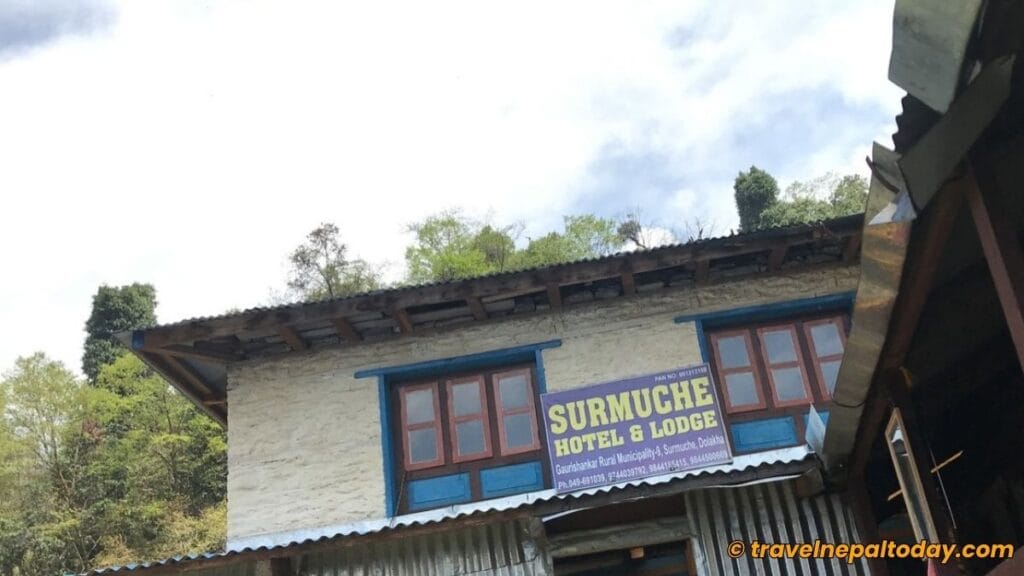
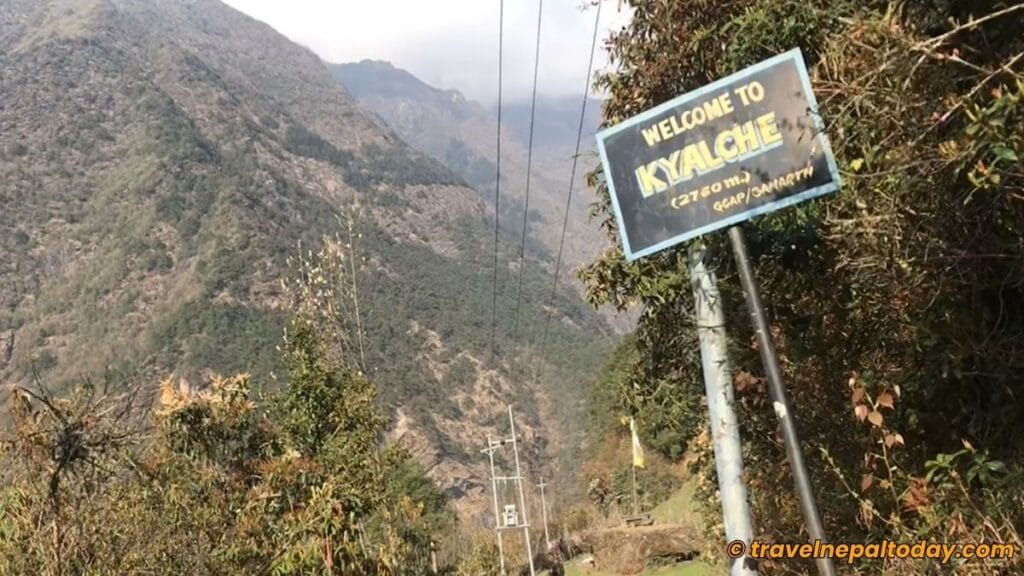
You’ll reach Surmuche in about 3 hours, where you can enjoy a delicious dal bhat. Take a nap for about an hour in the sun before heading toward Kyalche, which is another 2-hour uphill hike.
Here, you may stop for a short break—celebrate the toughest climb of the day being behind you.
Now, it’s just an hour to Donggang, where we decided to spend the night. Here, we enjoyed a peaceful moment by the Tama Koshi River, which was the highlight of the day.
You should be able to reach Donggang much quicker than we did, as we made several stops along the way.

Caution: I’ve heard about landslides and floods in the Rolwaling Valley, which reportedly affected Donggang and the entire Tsho Rolpa trail.
As of 2025, I’m unsure about the current conditions, although many trekkers have been visiting recently. It’s best to consult the locals for updated information once you reach Chhetchhet.
Update: The hotels in Dongang were completely destroyed by the flood in 2024.
If you feel up for it, you could even opt for an additional 2-hour walk to Thangding, where there are a few accommodations available.
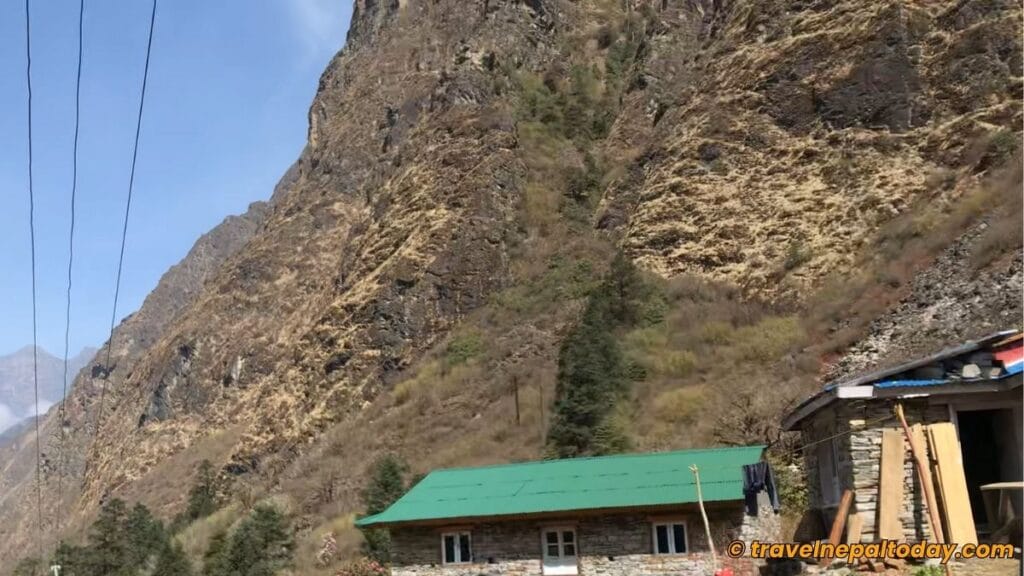
Day 3: Donggang – Na Village
Whether you stayed in Donggang or Thangding, today we’ll be trekking to Na Village, situated at an altitude of 4,183m.
This steep climb poses the risk of altitude sickness, so make sure you’ve carried the necessary medicines.
I’ll soon create a comprehensive travel tips guide on what you should carry on treks—stay tuned!
The hike becomes a bit easier once you leave Thangding, with fewer steep climbs ahead. A stop at Beding for lunch will give you some much-needed energy before continuing on your journey.
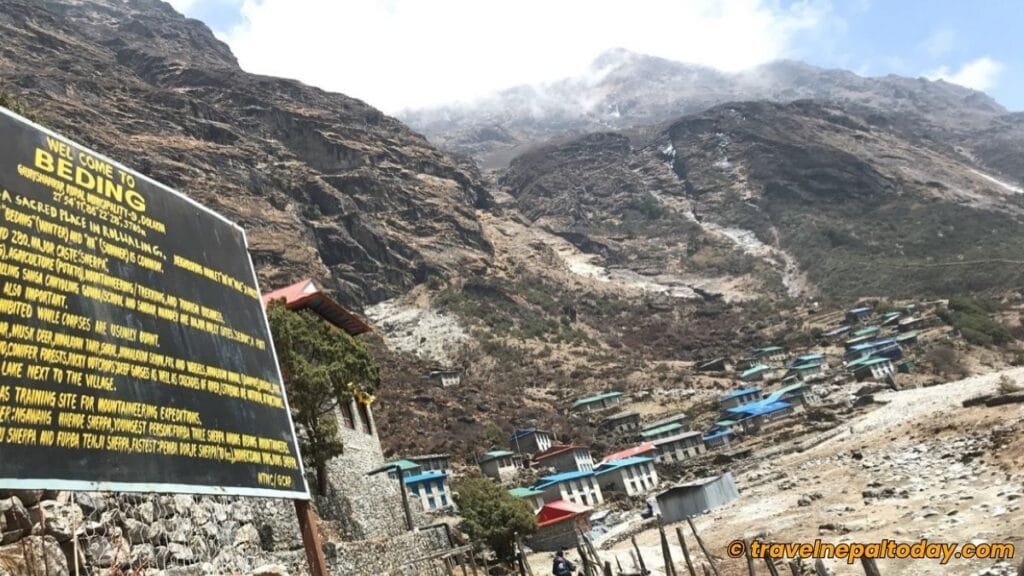
Once you’re in Beding, don’t forget to ask the locals about their Yeti stories—it’s one of the things that adds to the mystique of the region.
Expect to reach Na Village in about 4-5 hours from Beding, making this a long hike (nearly 10-11 hours).
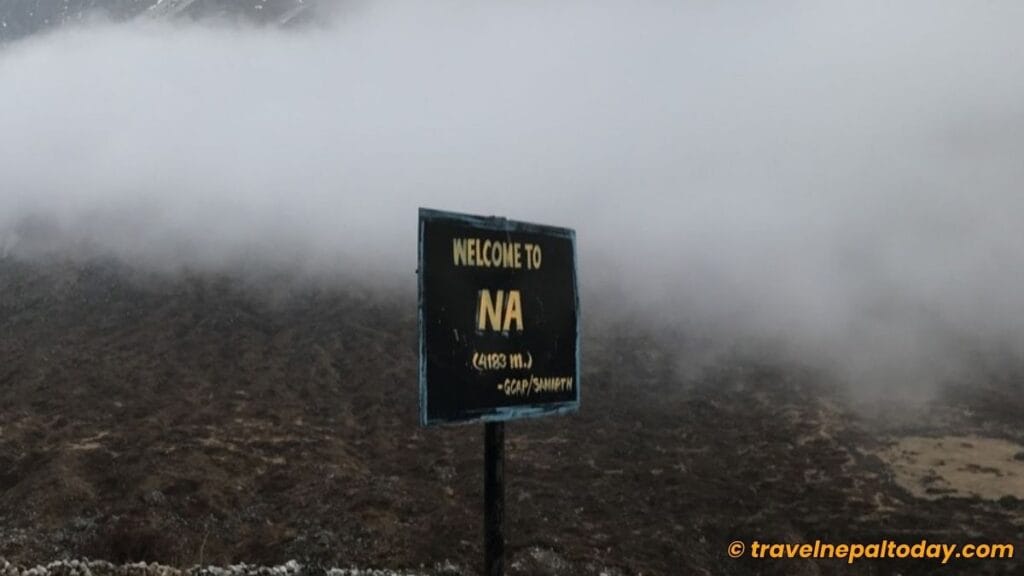
Na Village has plenty of hotels, and you’ll likely meet professional mountaineers and guides staying there.
We were lucky enough to stay in a mountaineer’s hotel, where his family members had all summited Mount Everest.
He shared some handy tips about trekking and altitude sickness with us, including the importance of drinking lots of hot water and practicing the right breathing techniques. More on this in another article!
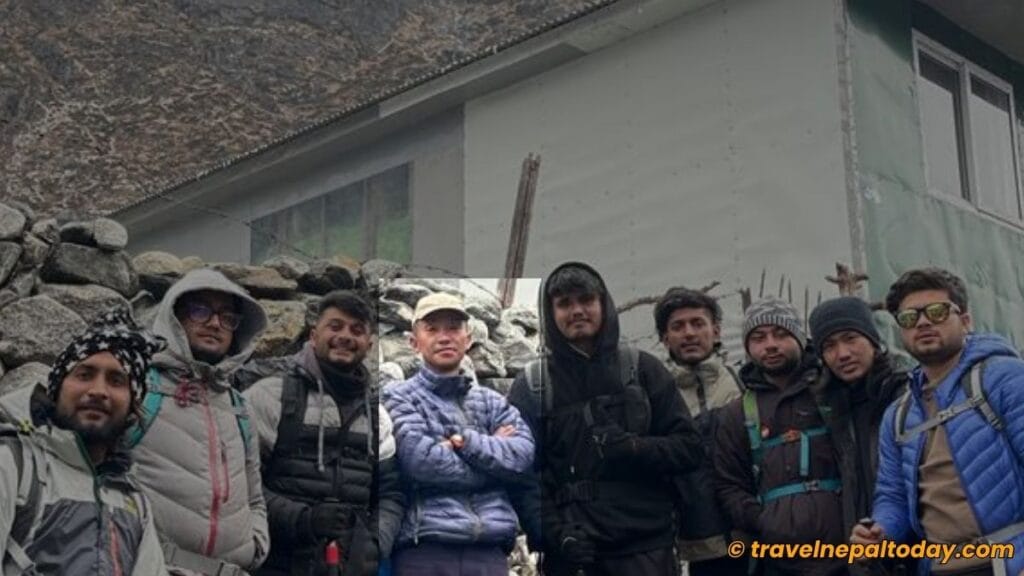
Keep in mind: The cost of food in Na Village is higher than in other places along the trek, and you won’t have any mobile network access in the region.
Day 4: Na Village – Dudhkunda – Tsho Rolpa – Return to Beding
I know it will be tough for many of you, but you’ve already come this far, so don’t give up now. The hike to Dudhkunda is only about 2 hours extra, and the effort will be worth it.
It’s crucial to start early because the weather can change unpredictably in the afternoon. Drop off your things at the hotel, but don’t forget to pack a water bottle and snacks for the journey.
The trail to Dudhkunda is a bit challenging, so if you’re a beginner, consider hiring a guide.
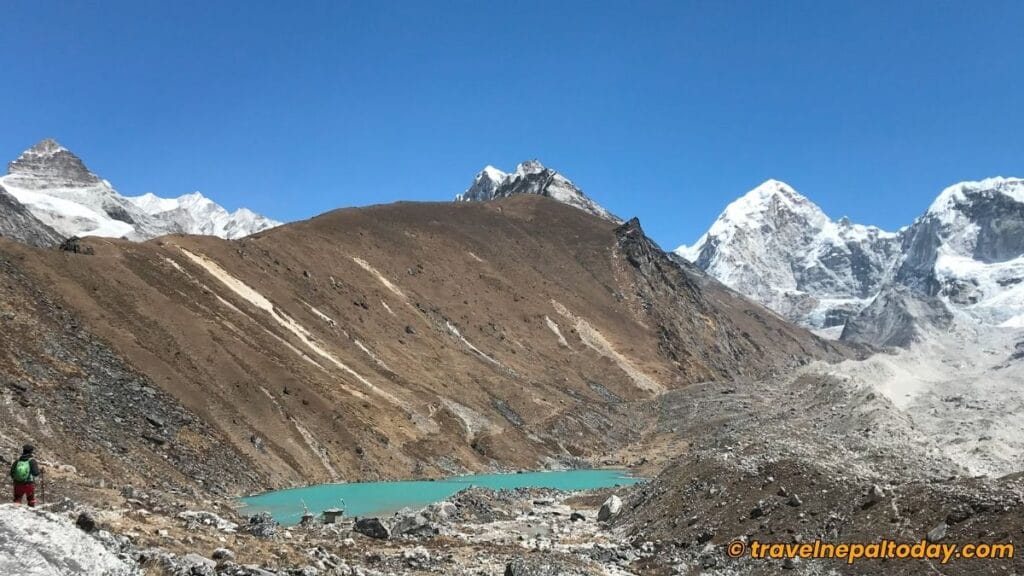
On the other hand, the trail to Tsho Rolpa is relatively easier, though it has a steep climb at the very end.
You don’t need to return all the way to the starting point—there’s a direct trail from Dudhkunda to Tsho Rolpa that takes about 1-2 hours, but it can be tough.
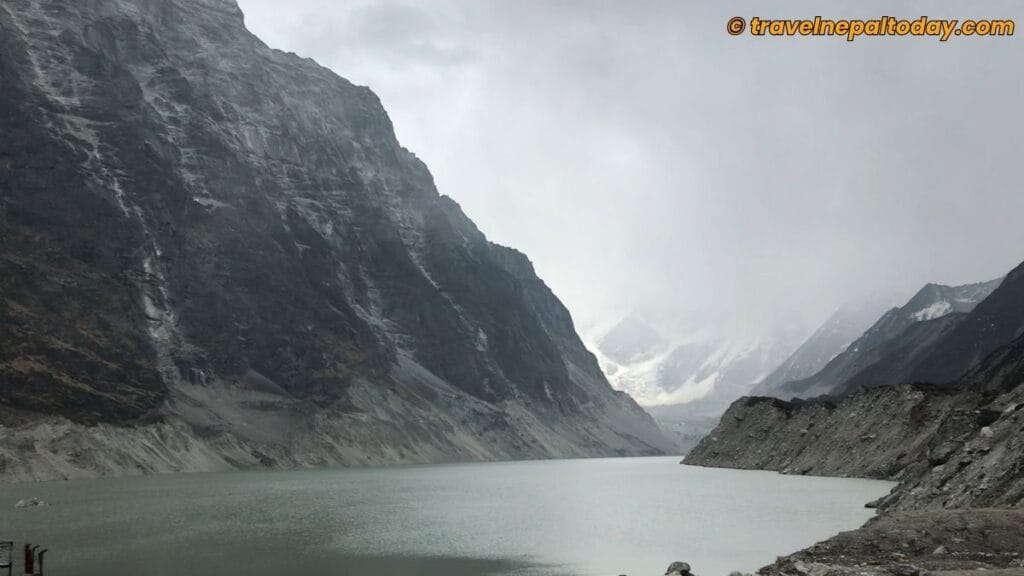
Don’t spend too much time in Dudhkunda, as it could make you miss the view of Tsho Rolpa due to the fog that often rolls in during the afternoon.
In fact, we even experienced a light snowfall while we were there. As we made our way back to Beding, it began to rain heavily, and we all got sick. Fortunately, we had those plastic raincoats.
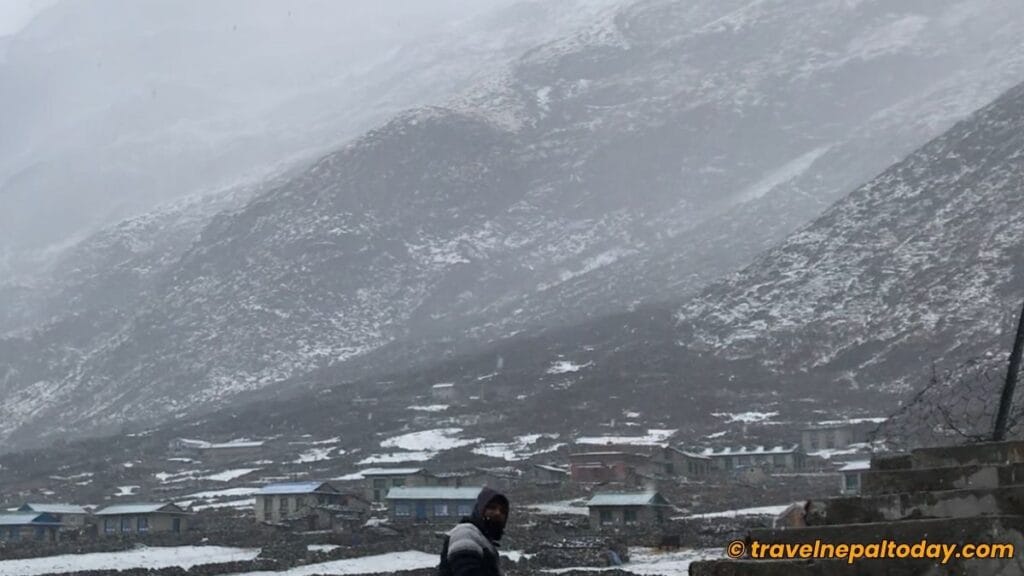
You can choose to stay in Na Village, but to make the next day’s hike easier, I suggest pushing on to Beding, which is about a 2-3 hour walk. This makes the entire day about 11-12 hours of hiking.
Day 5: Beding – Chhetchhet and Jeep Ride to Gongar Khola
It’s time to head back. Since most of the trail is downhill, you should be able to complete the trek in 8-10 hours.
In case you have any friends who suffer from knee pain (Patellofemoral Pain Syndrome—PFPS), this can make the descent harder for them though.
You guys need to go slow and ensure to take breaks to avoid straining your knees. I’ll be putting together a guide on this issue soon, so stay tuned!
You can stop at Surumuche for lunch, and there’s an alternative route that allows you to skip Simigaun, saving about an hour. Ask the locals!
We were lucky to catch a free ride in a jeep to Gongar Khola once we reached Chhetchhet (about a 15-minute drive).
Since there aren’t many hotels in Chhetcheet, I recommend continuing on to Gongar Khola, where you can find a bus for the journey back to Kathmandu.
That’s it! Your trek is over.
Well, we had a blast that night, causing a bit of a ruckus in the hotel. It’s a funny story—let me know in the comments if you’d like to hear it!
Day 6: Gongar Khola – Kathmandu
As I mentioned, you can catch a direct bus from Gongar Khola to Kathmandu. Expect to reach the capital within 8-9 hours.
The bus picks up speed once it leaves Charikot, so the journey should be faster after that.
And don’t forget to pick up some Churpi on your way back—it’s a Dolakha delicacy!
Tsho Rolpa-Dudhkunda Trek Budget
We were a group of eight, which helped us reduce costs by bargaining. We managed to complete the entire trek for under Rs. 10,000, including snacks.
Well, this trek is one of the most budget-friendly options in Nepal, with costs for accommodation and snacks being relatively low (except in Na Village).
Since luxury stays aren’t available along the way, Rs. 10,000-12,000 should be more than enough for your entire trip.
Final Words
In just 6 days, you’ll have one of the most memorable experiences of your life. So, you need not to have any second thoughts for this Tsho Rolpa Lake trek. Just go for it!
If you have any questions, feel free to leave them in the comments section below—I’d love to help!
And once you’re back from Dolakha, don’t forget to tag us in your Instagram stories. Happy traveling to North-East Nepal!
Where Next? Here’s your complete guide to reaching the mesmerizing Phoksundo Lake!
About The Author