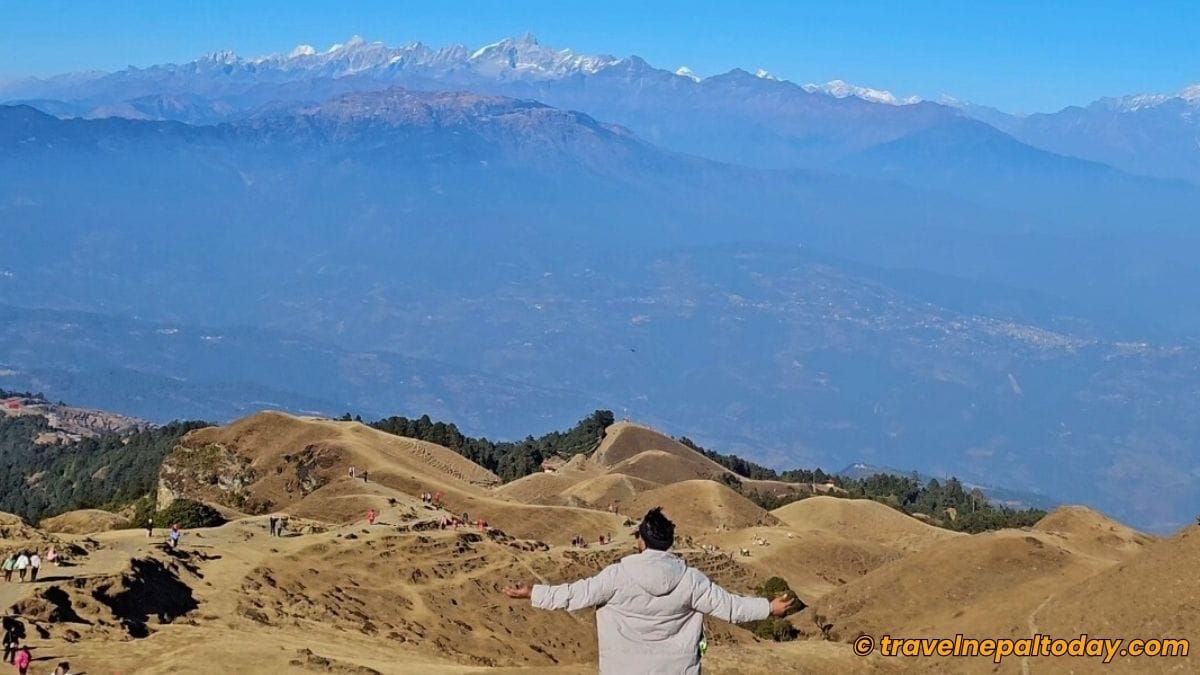
Sailung Hills, located in Kalapani, Dolakha, is well-known as ‘the land of 100 hills‘ in Nepal. Once you reach the top, the breathtaking view of those hills will surely mesmerize you!
If you’re reading this article, you’re likely confused about how to get to Sailung, where to stay, and how long the trip might take.
Don’t worry! I’ve got all the answers for you here at Travel Nepal Today!
Key Facts About Sailung Hills
| Location | Dolakha-Ramechhap Border, Bagmati Province |
| Altitude | Approximately 3,200 meters |
| Distance (from Kathmandu) | 120–140 km approx. |
| Time to reach | 5–6 hours approx. |
| Mode of transportation | Public / Private vehicle |
| Trip Duration | 2 days |
| Hike Duration | 1–1.5 hours |
| Best time to visit | All seasons (except peak monsoon) |
How to Reach Sailung Hills?
You can reach Kalapani, Dolakha (the starting point of the hike) via a private or public vehicle.
Personally, I took my motorcycle for the trip, and it was worth the ride!
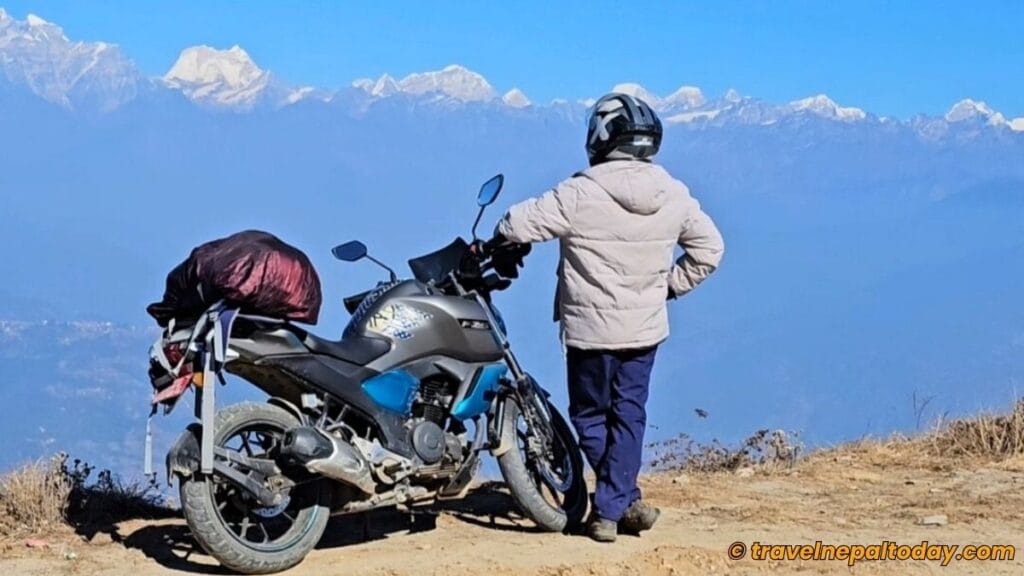
Scenic views, mostly paved roads (though there are off-road sections along the Arniko Highway and the final stretch), which was a perfect escape from the city chaos.
Would I recommend a ride/drive to Sailung? Absolutely!
Sailung Hills Itinerary Explained
First follow this: Kathmandu > Bhaktapur > Dhulikhel > Panchkhal > Zero Kilo > Dolalghat.
Stop at Dolalghat for breakfast, where you can try fresh fish. Not the best in Nepal, but still worth a try!
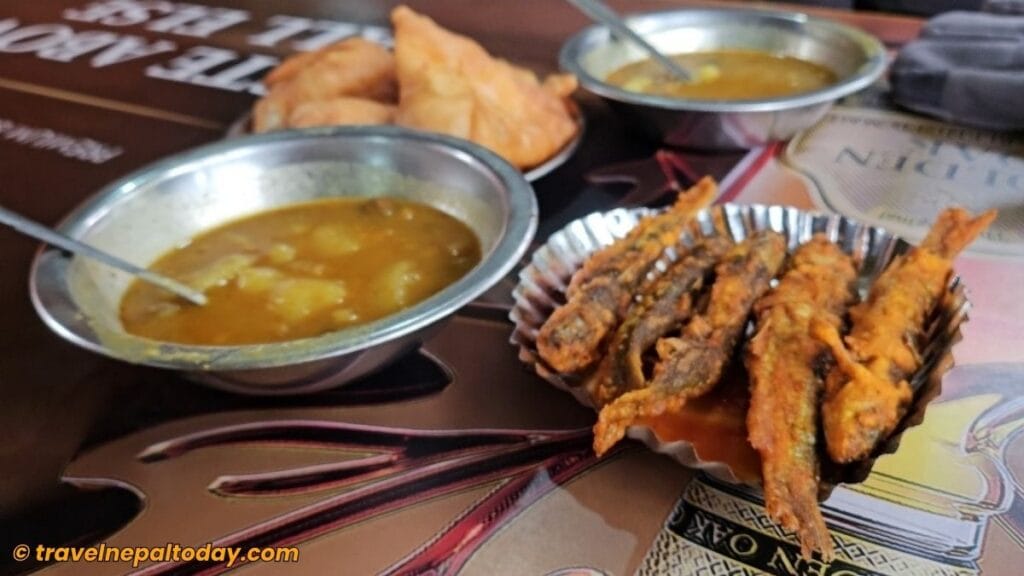
Alternative route: You can also take the Melamchi-Helambu route and head toward Zero Kilo.
From Dolalghat, head toward Bandeu > Sukute. Now that you’re in Sindhupalchowk, continue your route toward Khadichaur. From there, cross the bridge and head uphill to reach Mude.
Once you’re in Mude Bazar, you’ll see a large board indicating different directions. Take a right and head toward Kalapani, Sailung, which is about 19.6 km away.
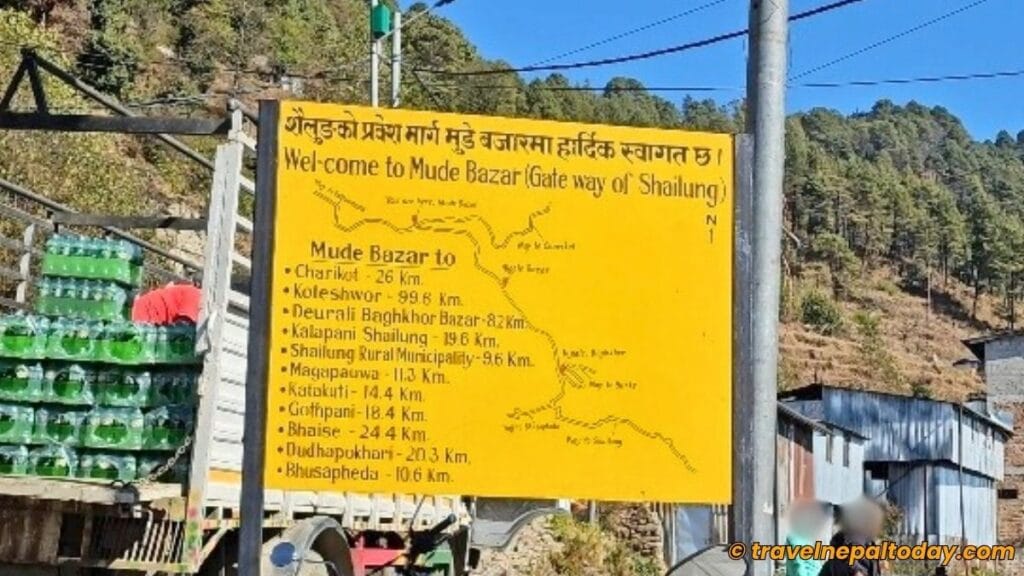
The first few kilometers up to the Sailung board are all well-paved. Beyond that point, a few kilometers ahead, the off-road begins.
The good news is that construction work is ongoing. So, we can expect a fully paved road all the way up to Sailung in a few years!
You can use Google Maps up to this point. Afterward, I suggest consulting locals because there’s a shorter route to reach Kalapani. This saved us up to half an hour of extra muddy riding.
Since the snow had begun to melt, some spots were pretty slippery. I even fell once (not a major accident). Take extra care if you’re traveling in winter and monsoon seasons.
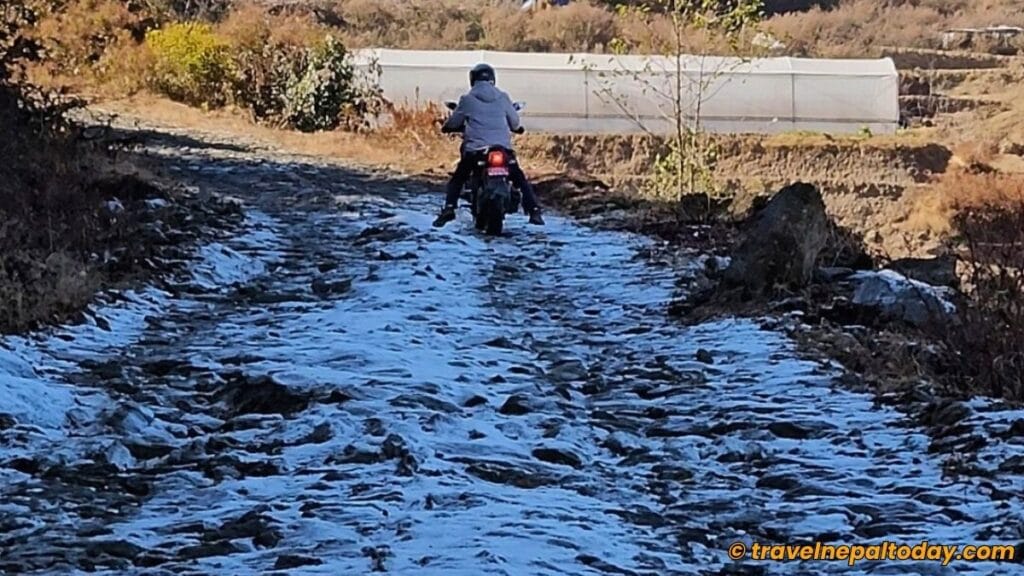
The best part about the Sailung ride is that you won’t get lost—there are plenty of boards along the way leading you to the parking area.
If you’re considering taking a public bus, you can find one in Koteshwor or Jadibuti. I’m unsure about the fare, so consult the ticket counter for details.
Both private and public vehicles should reach the parking spot.
For those taking motorcycles, you can go a little further, but I don’t recommend it. Why? Because you’ll miss the starting point of the hike, which features the Mini Great Wall of Sailung.
The hike takes about 1 to 1.5 hours to reach the top, depending on your walking pace. And once you’re here, it’s the district of Ramechhap!
Major Attractions in Sailung Hills
So, I’ve already spoiled the first attraction in Sailung—the Mini Great Wall, a depiction of the Great Wall of China.
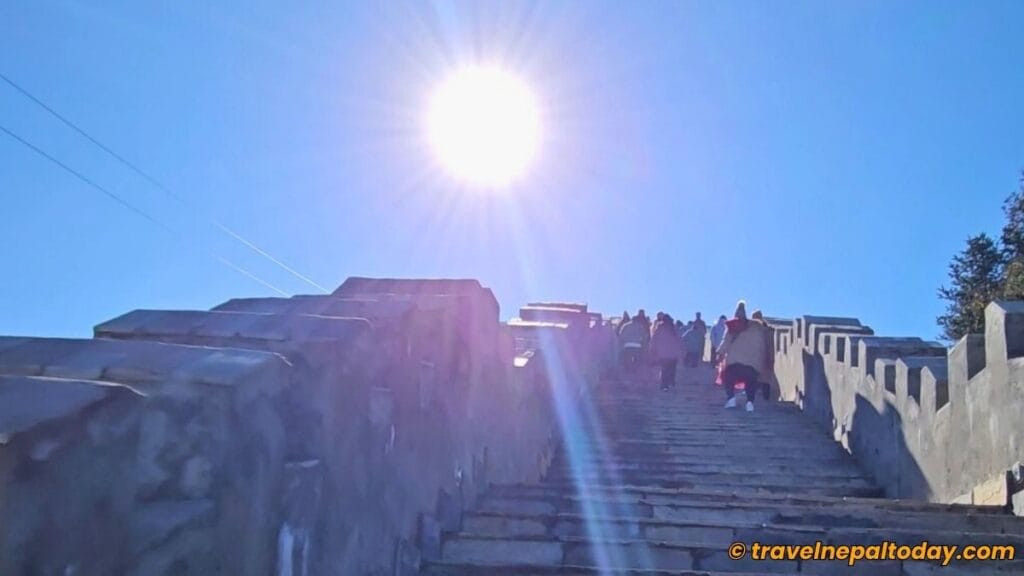
Don’t expect it to be as long as the original. It’s just a nice addition to the hiking spot. In fact, the Mini Great Wall of Sailung features tons of photogenic spots.
Once you get past the Mini Great Wall, you’ll find more attractions:
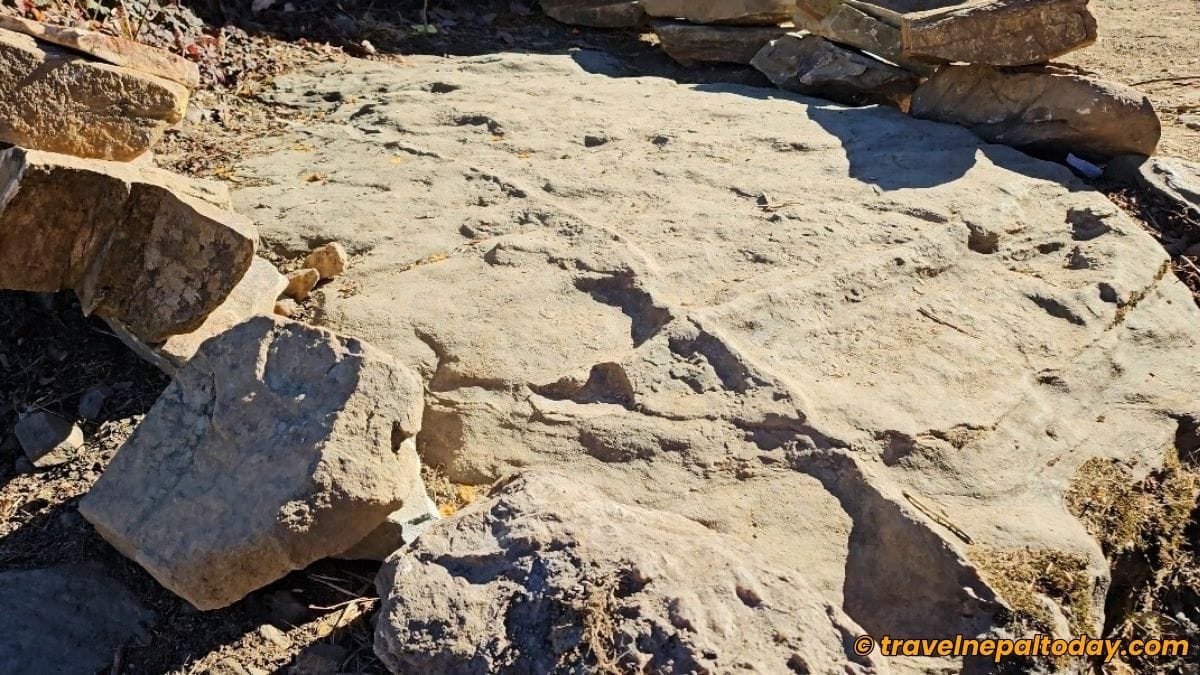
- Sword of Bhimeshwor: A rock formation that resembles the sword of Lord Bhimeshwor.
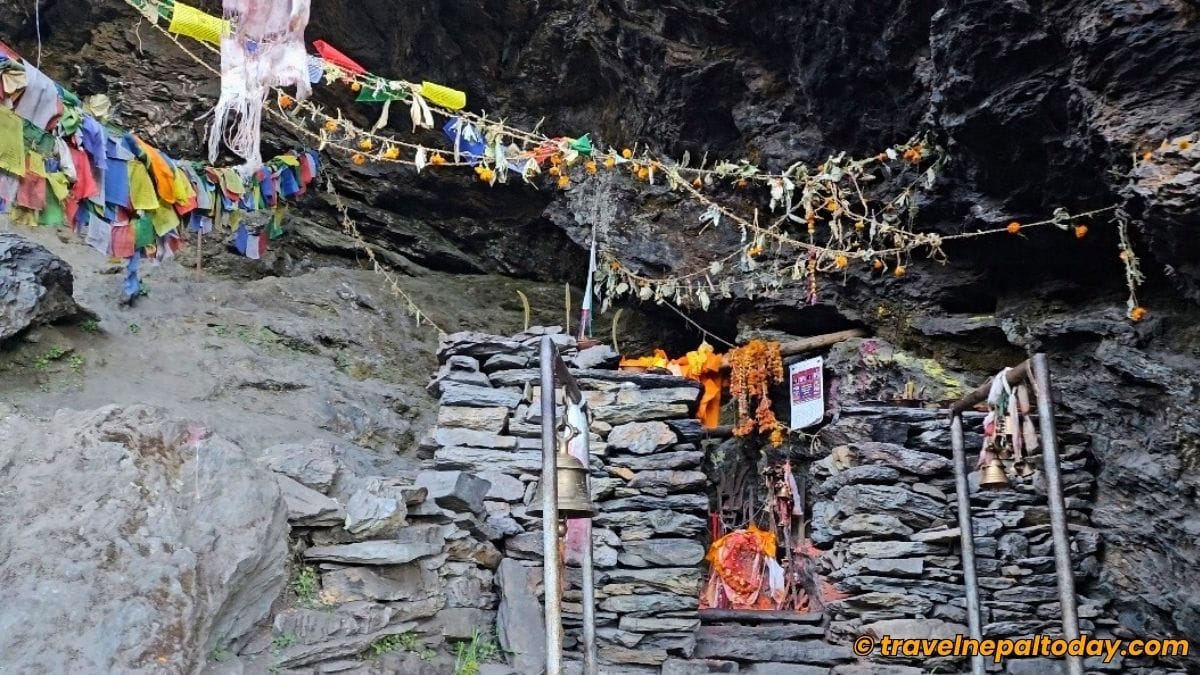
- Mahadev Gufa: A downhill hike will take you there in about 10 minutes. If you’re a devotee of Lord Shiva, don’t miss this cave, which also features a Shiva temple.
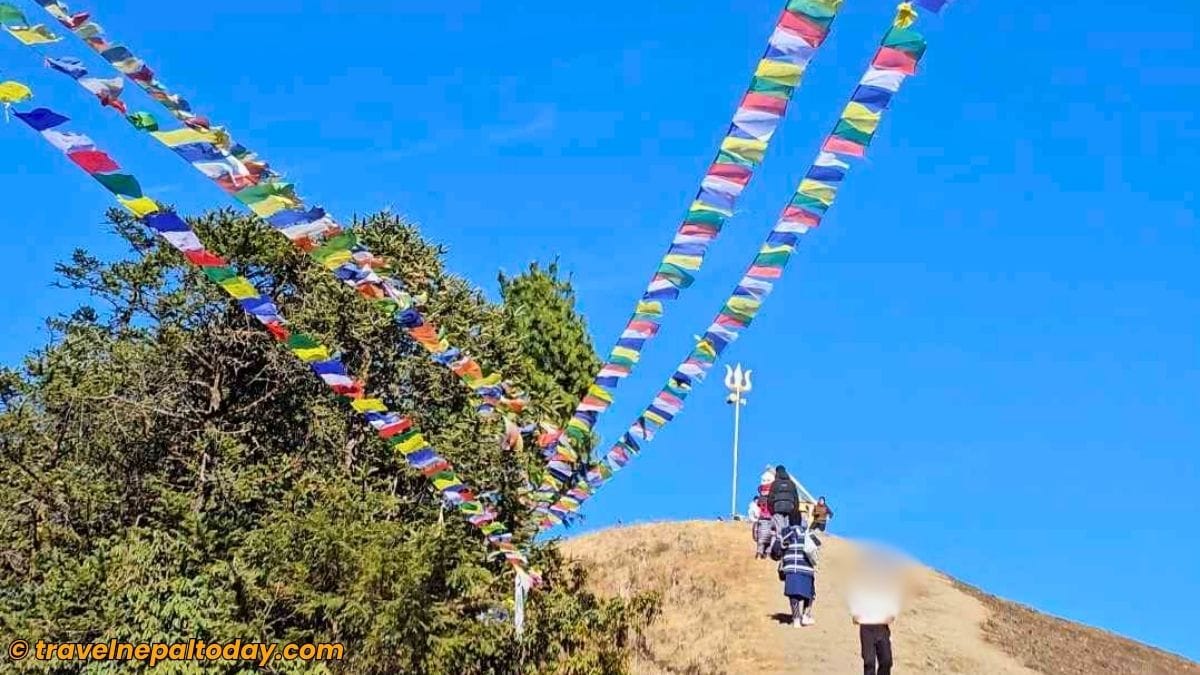
- Trishul Hill: There’s also a Trishul on top of one of the hills, another holy spot for Mahadev devotees (similar to the one in Latarambeshwor Mahadev).
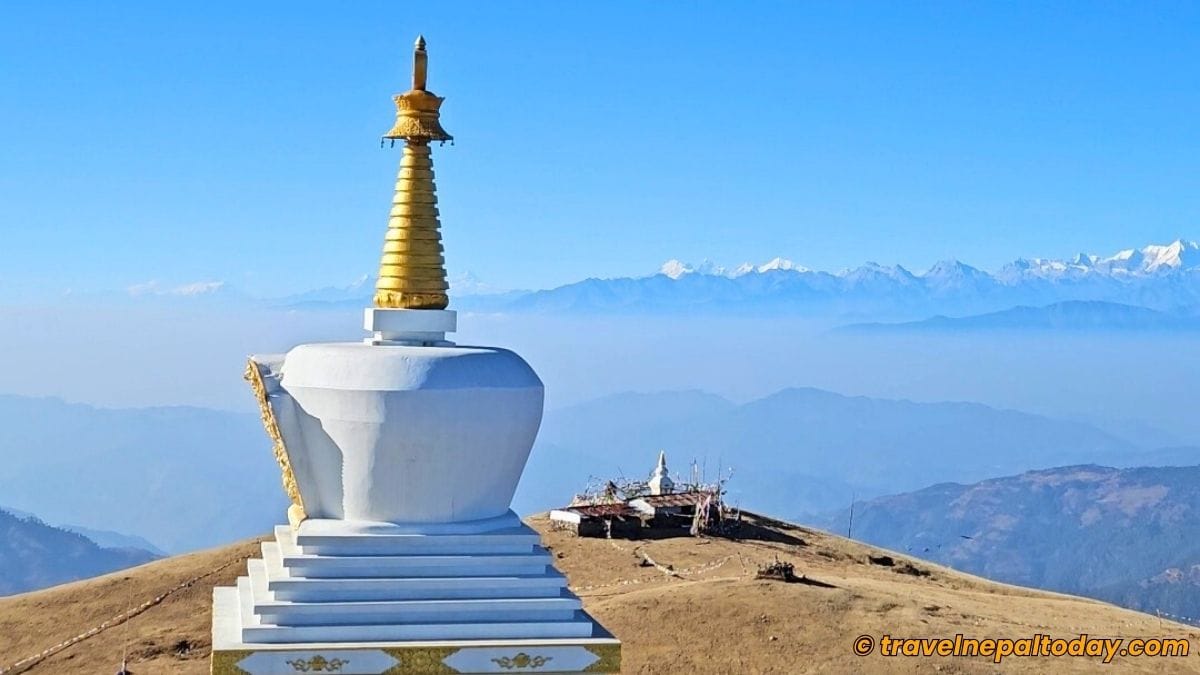
- Multiple Stupas and Gumbas: Look around, and you’ll notice several stupas and gumbas atop the Sailung hills. Aim to reach the one at the very top—the one shown in the picture below:
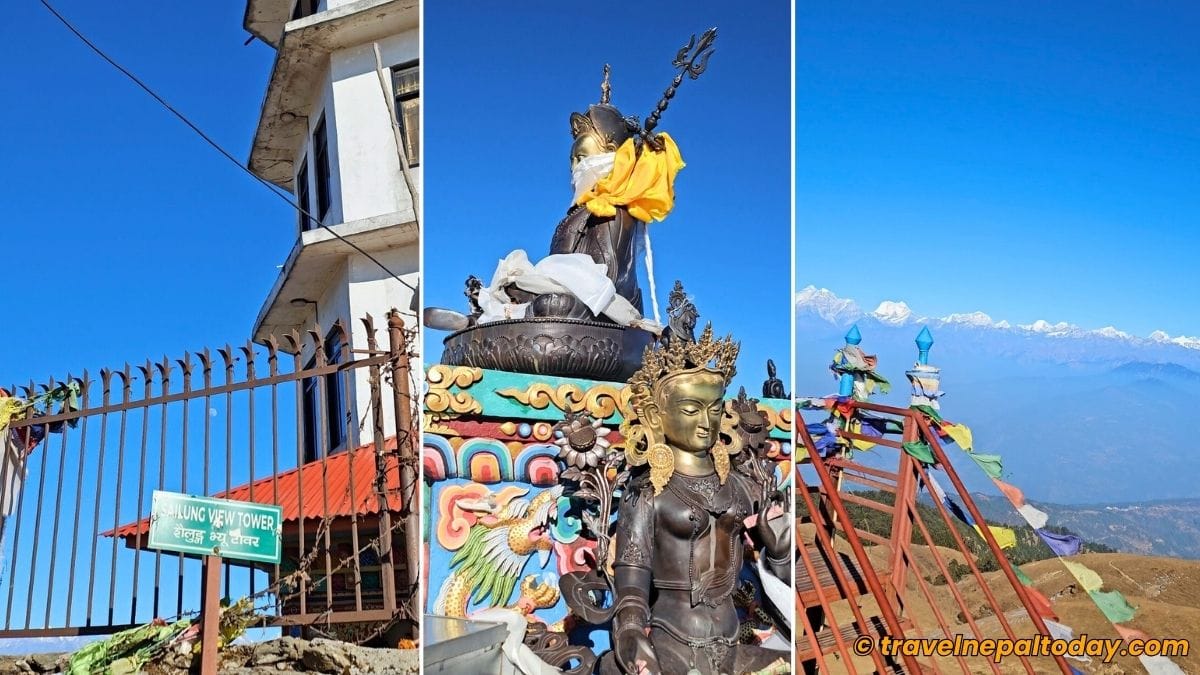
- Sailung View Tower: For an even more scenic view, climb the newly built view tower to enjoy the best panorama of Sailung. It also features other historical and holy statues.
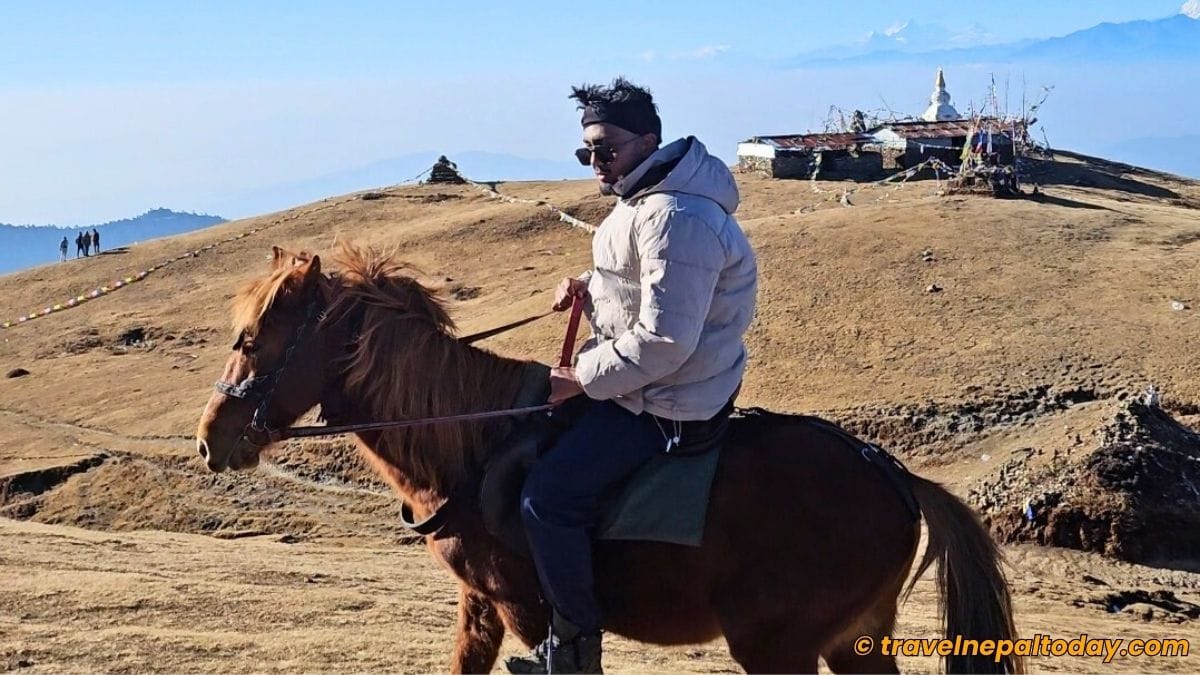
- Horse Riding: If you’re lucky, you might find a horse or two. Ask the owner for a ride for just Rs. 100.
- Navel of Earth: I missed this spot but it’s very close to the gumba. So, do visit and share what you think of it in the comment section below!
- Greenery: While my photos look dry due to the winter season, visiting during pre-monsoon or post-monsoon will let you enjoy the lush greenery of the 100 hills.
- Snow: Unfortunately, the snow had melted by the time I visited. However, visiting at the right time could allow you to enjoy snow-covered landscapes.
You see, there’s so much to do in Sailung, all within a short timeframe. So, please don’t miss out on this place!
When is the Best Time to Visit Sailung Hills?
Every season is a good time to visit Sailung Hills. However, picking the right date is crucial.
As I mentioned earlier, I visited just two days after a snowfall, so the snow had already melted. Despite this, I enjoyed the stunning views. There’s always something special about trips, right?
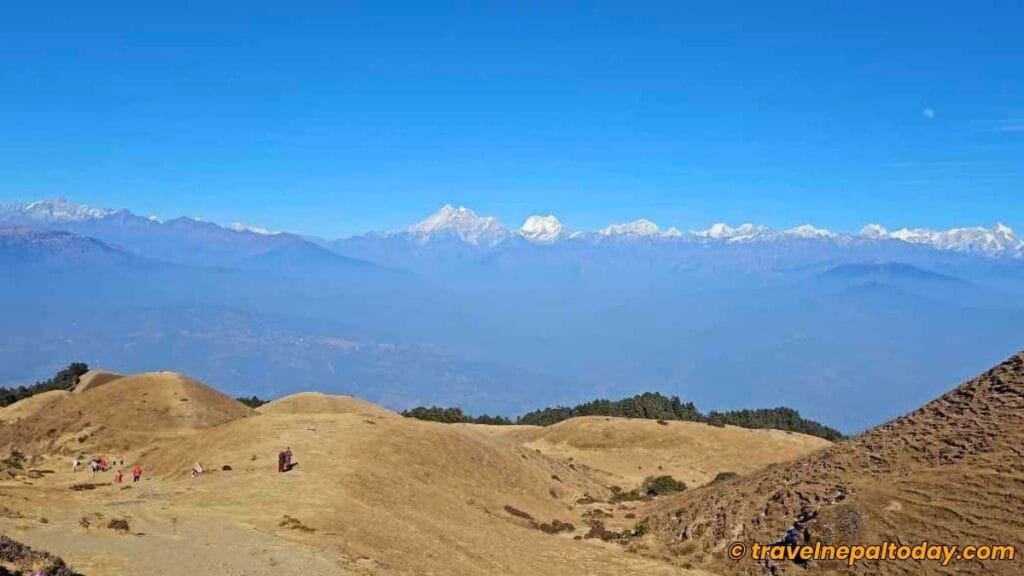
Based on my experience, pre-monsoon (spring), post-monsoon (autumn), and snowy periods are the best times to plan your trip to Sailung.
Travel Tip: check recent social media posts from public profiles to gauge the current conditions.
Both spring and autumn offer lush greenery, which is a highlight of Sailung Hills. However, avoid visiting during peak monsoon, as the road conditions can be challenging.
Even in snowy conditions, roads can be slippery (as I experienced). That’s why I recommend opting for a public vehicle if you’re unsure about navigating the roads. Local drivers are familiar with the route and can ensure a safe journey.
If you’re an adventure lover, though, any time is a good time to visit Sailung Hills!
Where to Stay in Sailung?
This is a bit disappointing, but there are only 2–3 lodges in Kalapani, Dolakha. Hopefully, more will be available in the future.
If you’re lucky, you can contact them and pre-book your stay. However, considering that hundreds of visitors flock to Sailung during peak season, securing accommodation might be difficult.
You can find other lodges after crossing Mude, but they may not be convenient, especially for public vehicle travelers. In that case, you might have to stay in Mude.
If you’re traveling by private vehicle, here’s a better tip: start early, complete your trip to Sailung Hills, and return the same day. This is only possible if you plan well.
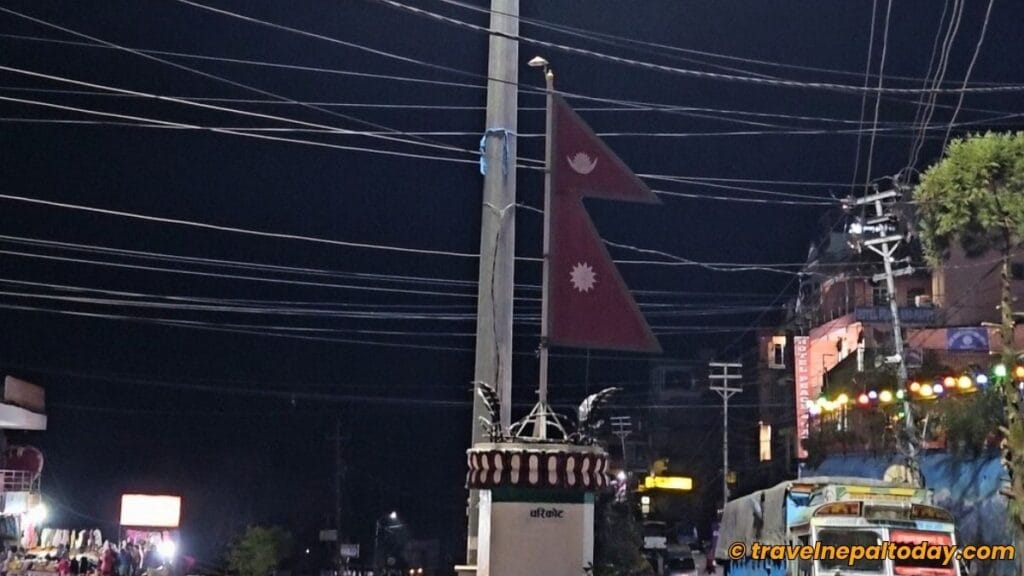
Otherwise, follow what we did: Head to Charikot, where you’ll find plenty of hotels to stay in.
Why? Because Dolakha offers other attractions you wouldn’t want to miss:
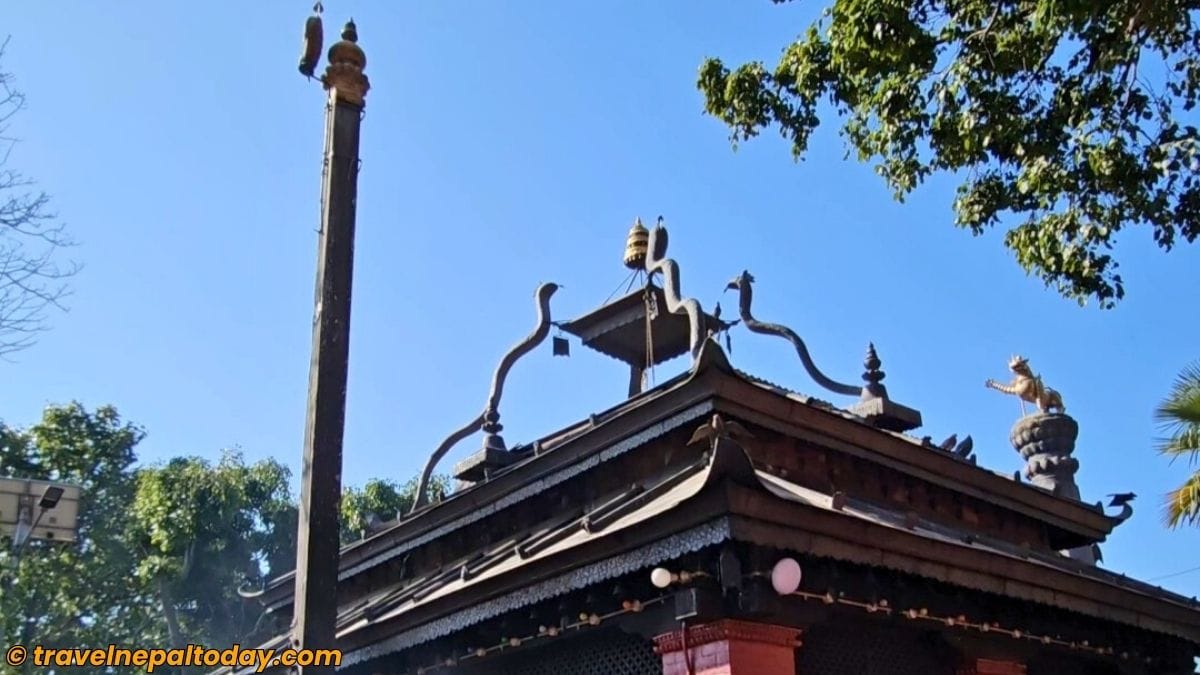
- Dolakha Bhimsen: One of the holiest sites in Nepal.
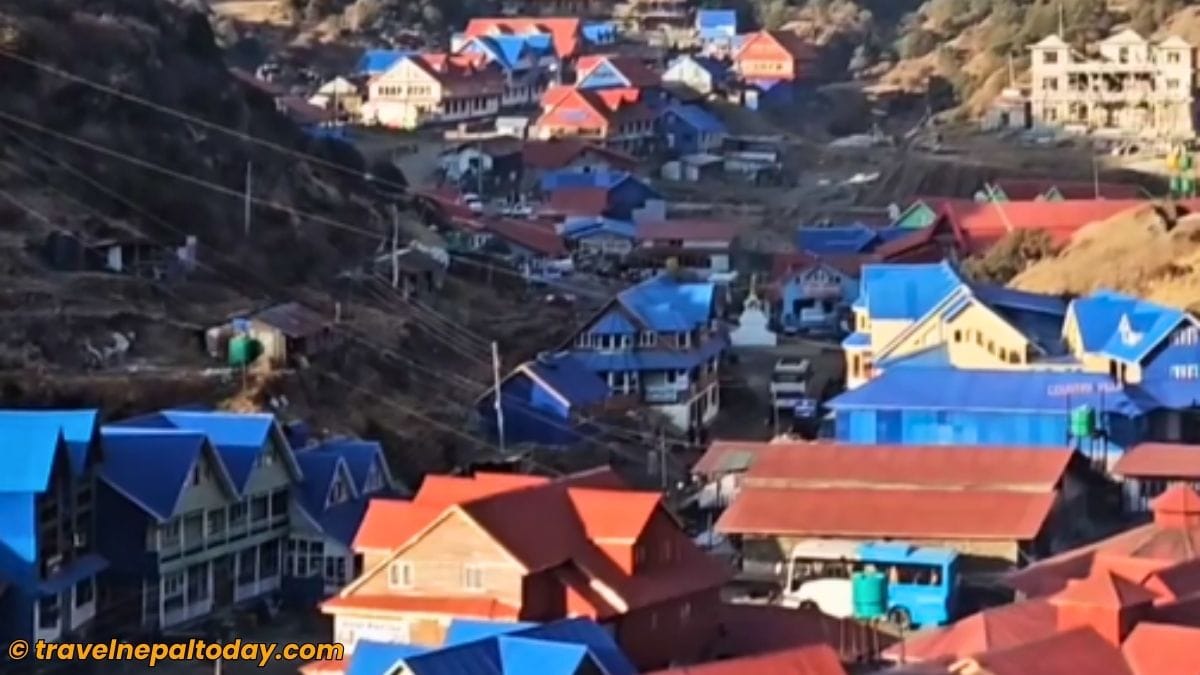
- Kuri-Kalinchowk Trip: If you have an extra day and haven’t visited this gem yet, consider visiting the beautifiul Kuri village and hike towards Kalinchowk.
- Jiri: Known as the Switzerland of Nepal, the newly paved road to Jiri can add a cherry on top of your trip.
- Shiva Pokhari: A holy lake in Kharidhunga, Dolakha, located on the way to Charikot.
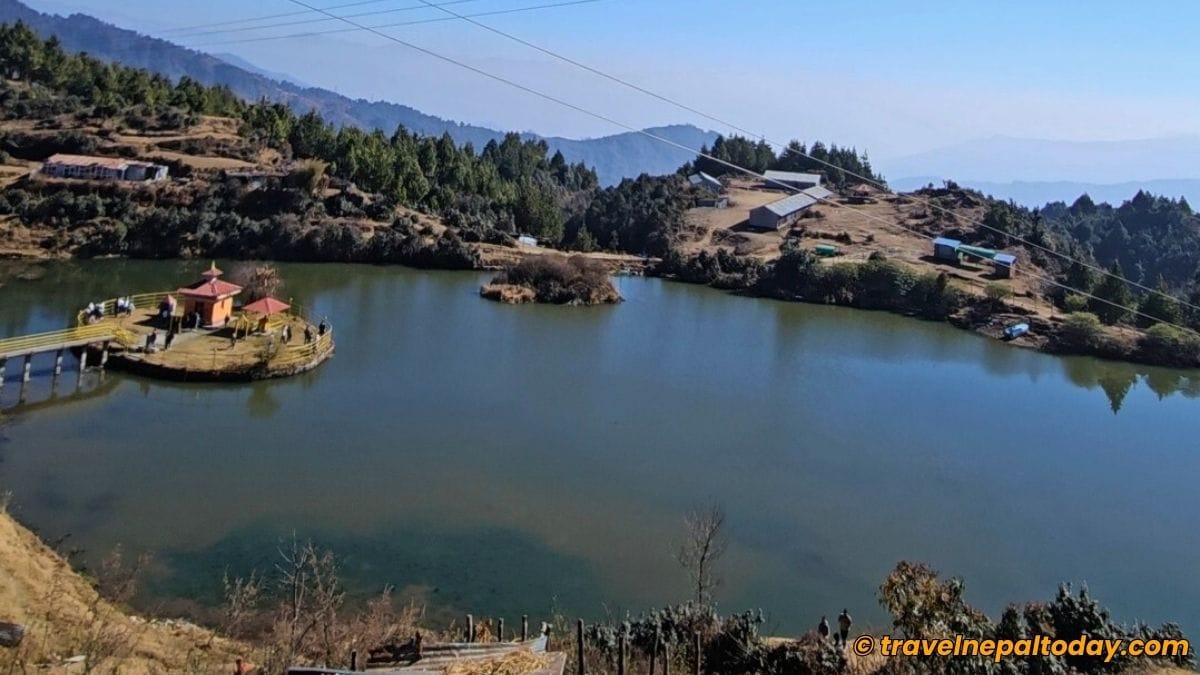
Our original plan included Jiri, but due to time constraints, we only managed to visit Dolakha Bhimsen. We also stopped at Shiva Pokhari on our way back to Kathmandu.
Expected Budget for Sailung Trip
Besides Sailung Hills, Dolakha Bhimsen, and Shiva Pokhari, we also visited Palanchowk Bhagwati Temple, just a 20-minute ride/drive from Panchkhal.
Here’s our total expense breakdown (per person) so that you get to plan your finances accordingly:
| Petrol | 750 |
| Dolalghat breakfast | 250 |
| Bike extra costs | 50 |
| Sailung horse ride | 100 |
| Sailung snacks (try the oranges!): | 200 |
| Charikot (stay + dinner + tea + lunch) | 1250 |
| Dolakha Bhimsen Pooja stuff | 200 |
| Palanchowk Bhagwati Pooja stuff | 200 |
| Total | 3,000 |
If you’re only visiting Sailung, you could complete the trip within a budget of Rs. 2000 – 2500.
And for combining other locations like we did, Rs. 3000 to 3500 should be more than enough.
Final Words
Did you love this combined trip to Sailung Hills and other attractions around the area? Then, this article definitely deserves a share!
And if you got any confusion regarding anything, feel free to reach us out via the comment section below.
Happy traveling to Dolakha!
You might like reading: 6-Day Trek to Dolakha’s Tsho Rolpa and Dudhkunda Lakes
About The Author