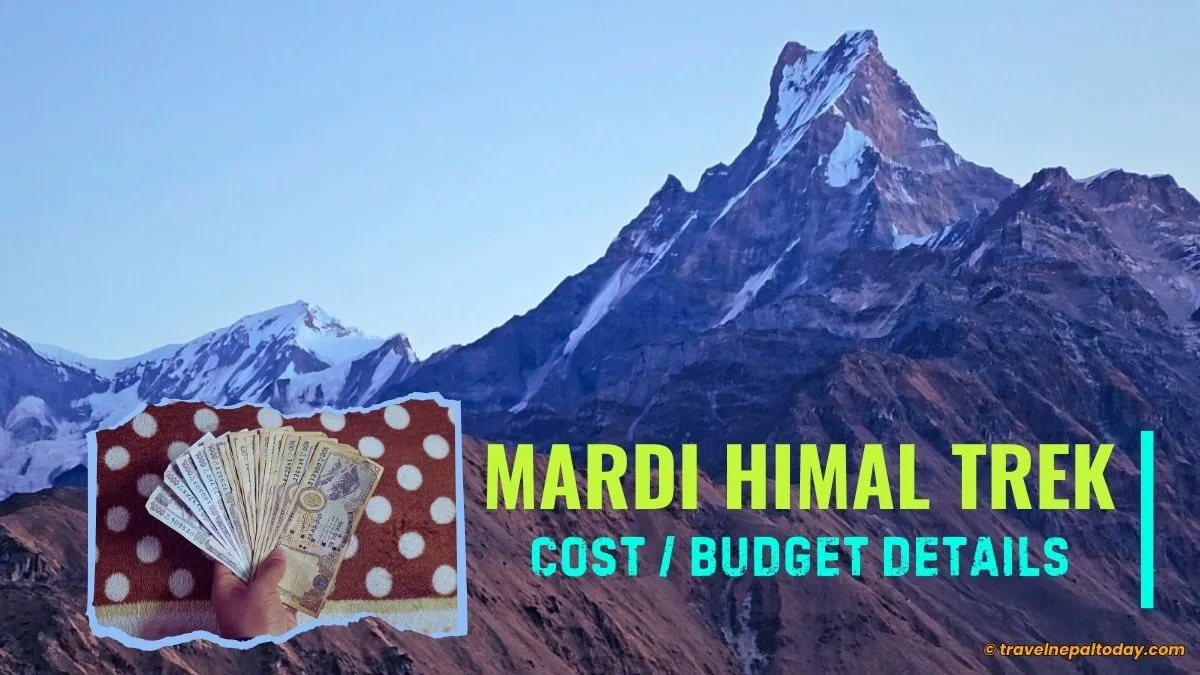
All set for your Mardi Himal Trek, but unsure how much it actually costs and the budget you should allocate? Well, you’ve landed on the right page!
I’m going to share every piece of detail, from transportation expenses to accommodation styles along the trail. This isn’t just another generic guide. It’s an in-depth breakdown that, once you finish reading, I promise you won’t need to surf the internet again.
In fact, I’ve also shared my own personal cost details, along with practical tips to help you cut down expenses wherever possible.
So yes, I can confidently say I won’t be wasting your 16 minutes. Let’s get started.
Mardi Himal Trek Cost in a Nutshell
The total budget mainly depends on your nationality, trek duration, starting point, travel style (guided vs independent), season, and spending habits.
Below is a simple cost snapshot covering everything discussed in this guide so far, so you can plan your budget without confusion.
| Cost Component | Nepalese (individual) | Foreigners (agency based) |
| Trek Duration (3–8 days) | NPR 10,000 to 20,000 | USD 250 to 750 |
| Transportation (KTM–PKR–Trailhead) | NPR 2,000 to 4,000 | USD 25 to 80 |
| ACAP Permit | Free | NPR 1,000 (SAARC) / NPR 3,000 (Others) |
| Accommodation (per night) | NPR 500 to 1,000 | Included in package or USD 5 to 10 |
| Food (per day) | NPR 1,200 to 2,000 | Included in package |
| Guide (optional) | Usually not hired | USD 20 to 50 per day |
| Porter (optional) | Optional | USD 10 to 20 per day |
| Equipment & Gear | Personal / Variable | USD 30 to 100 (rent/buy) |
| Pokhara Stay & Expenses | NPR 2,000 to 5,000 | USD 30 to 80 |
| Emergency & Miscellaneous | NPR 3,000 to 5,000 | USD 20 to 50 |
| Total Estimated Cost | NPR 10,000–20,000 | Foreigners (agency-based) |
What Affects Mardi Himal Trek Budget
There are multiple factors that affect the cost of the Mardi Himal Trek.
Whether you’re trekking solo or with guide support, how long your itinerary is, where you start from, and the type of trekking you choose—everything counts!
Allow me to explain each of them clearly.
Your Nationality (Nepalese vs Foreign)
Whether you’re a Nepali citizen reading this or a foreign national, I’ll make sure to cover the costs for both.
Since it’s your own country, Nepalese trekkers don’t have to pay hefty fees. No permits are required, and you even get discounts in many aspects. This is quite obvious.
Foreign trekkers, on the other hand, are charged more, regardless of whether you’re a SAARC national or from other countries.
To give you a rough idea, Nepalese can complete the Mardi Himal Trek for NPR 10,000 to NPR 20,000, depending on the trek duration. In fact, doing it under NPR 10,000 is also possible on a tight budget.
For foreign trekkers, packages usually range from USD 250 to USD 750.
And yes, there are other factors that can increase or decrease this budget. Keep reading to know it all.
Trek Duration
Depending on the itinerary you choose, your trek cost varies. I’ve already shared 3-day to 8-day itineraries here on Travel Nepal Today.
You can choose one based on your preference, but be mindful of the cost differences:
| Duration | For Foreign Nationals (as per packages) | For Nepalese |
| 3 days (from Pokhara) | USD 250 to USD 450 | Under NPR 10,000 |
| 4 days (from Pokhara) | USD 300 to USD 450 | NPR 10,000 to 12,000 |
| 5 days (from Kathmandu) | USD 390 to USD 1000 | NPR 13,000 to 15,000 |
| 6 days (from Kathmandu) | USD 399 to 699 | NPR 14,000 to 15,000 |
| 7 days (from Kathmandu) | USD 399 to 699 | NPR 15,000 to 20,000 |
| 8 days (from Kathmandu) | USD 555 to USD 750 | NPR 15,000 to 20,000 |
Don’t skip the article just yet. There are other factors that can significantly increase or reduce your overall cost.
Starting Point
There are multiple starting points for the Mardi Himal Trek. The most popular one is Kande.
To reach Kande, all you need is a taxi, and if you choose a local bus, your cost reduces even further.
However, for slow trekkers, starting from Kande may add an extra day compared to those starting from Kalimati, Sidhing, or Pittam Deurali. As the trek duration increases, so does the cost.
If you’re a fast trekker, starting from Kande and completing the trek in 3 days from Pokhara or 5 days from Kathmandu is also possible. But this slightly increases the difficulty level of the Mardi trek, so it’s definitely not recommended for beginners.
Overall, the cheapest starting point remains Kande, especially for Nepalese trekkers. You don’t need to hire a jeep, and it’s even possible to reach Kande directly by taking a night bus from Kathmandu.
Season (Peak vs Off)
This one is pretty obvious, right? No matter which trek you’re doing in Nepal, peak seasons (spring and autumn) are when trails are the busiest and the most expensive.
This is also the time locals earn the most, because during the off-season, their business drops significantly. As Nepalese, we should understand this. And for tourists, trekking during peak season means you’re not just there for views, but also supporting local livelihoods.
Expect costs to rise slightly for transportation, accommodation, gear rentals, and even your expenses in Kathmandu and Pokhara during March to May and September to November.
The advantage of trekking in the off-season is lower prices and occasional discounts offered by local lodge owners.
Group Size
They say sharing is caring. But when it comes to travel, I say sharing is cost-saving.
Travelling solo means you cover all expenses yourself. While Mardi Himal is a popular route and you may find others to share rooms or transport with, that might not always be the case.
Imagine trekking during the off-season when you’re the only one on the trail. You might meet a few groups, but not all will be willing to share expenses with you.
This means you’ll need to pay full room costs and cover all transportation expenses alone. Even trekking agencies charge solo trekkers more because guide and porter fees don’t get split.
The same applies to small groups. Transportation and lodging can still be expensive if your members are less.
On the other hand, trekking in a big group allows you to split costs: transportation, accommodation, food, and even snacks!
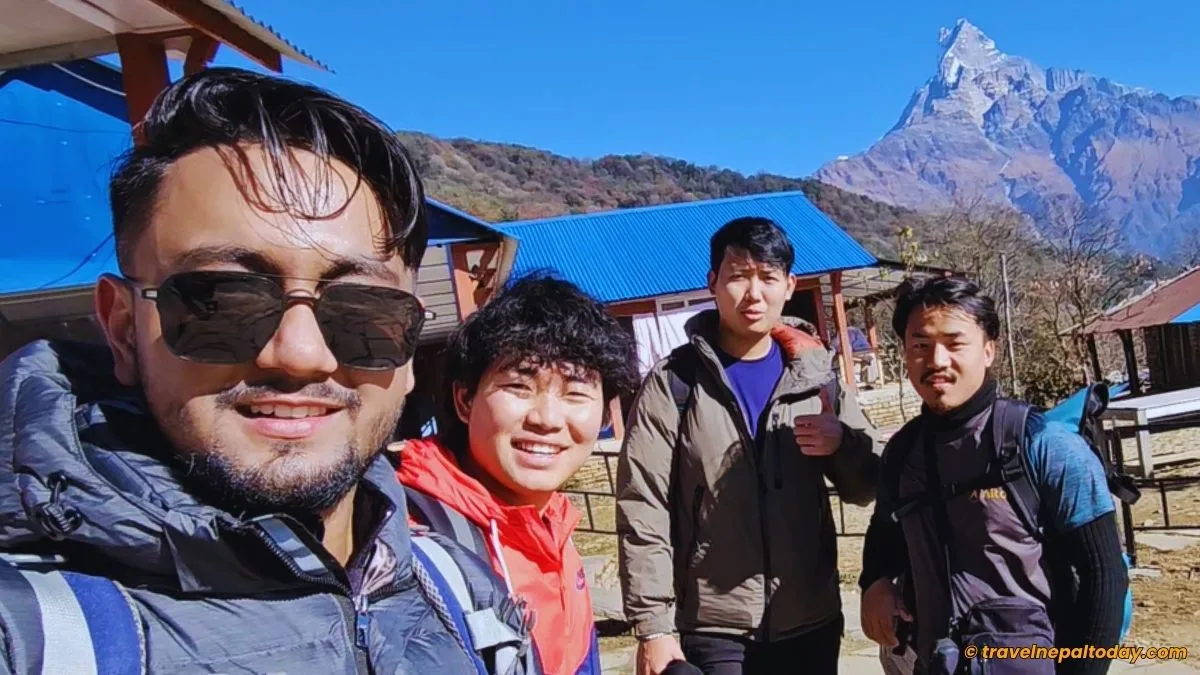
When I travel with my close friends, we order different dishes and share them. We get to taste more, and the cost is also divided.
That said, there’s a catch. If your group members are big spenders and you’re a budget traveller, you might end up spending more than planned. So, budget alignment within a group is extremely important.
Independent vs Guided Trek
Most Nepalese trekkers don’t hire a guide, and I completely understand that. So, this section mainly applies to international trekkers.
Hiring a professional guide is something I’ll always recommend. They know the route well, help during emergencies, and handle unexpected situations. I’ve even started helping you find guides. All you need to do is fill out the form below:
Guide fees in Nepal vary based on experience. USD 20 per day is the minimum, while experienced guides may charge USD 50 or more.
That said, the Mardi Himal Trek falls in a non-restricted trekking area, so individual trekking is allowed. If you’re confident, you can go for it. But remember, you’ll be handling everything yourself!
Many do choose to trek solo, but it comes with higher risks. Personally, I recommend at least hiring a local guide.
Trekking Through an Agency vs DIY
Since the Mardi Himal Trek isn’t in a restricted area, you don’t need a trekking agency. Independent trekking is completely legal.
However, if you want a fully organized experience where you don’t have to worry about logistics, a registered trekking agency is a good option. Different agencies offer different itineraries and service levels, which affects pricing.
The package prices mentioned earlier are based on reputed agencies that provide all-inclusive Mardi Himal Trek packages. These typically cover guides, permits, accommodation, meals, and transportation.
Of course, agencies charge service fees. So while safety and convenience improve, your budget needs to be slightly higher.
Your Spending Habit
Last but not least, and this applies to Nepalese trekkers too.
Some of us are budget travellers who actively look for ways to reduce costs. Others trek only once or twice a year and don’t mind spending extra. That’s completely fine.
Spending more isn’t wrong. It supports local communities. Just make sure you’re not overpaying or getting scammed by third parties.
One important note: Mardi Himal isn’t a long or extremely demanding trek. For foreign trekkers, a fair agency package price is more than enough.
For Nepalese trekkers, NPR 20,000 is usually the upper limit unless you’re doing extended 7 or 8-day itineraries.
Breaking Down Mardi Himal Trek Expenses
Now let’s come to where exactly you’ll be spending your money. You can open a notepad and start doing your own budgeting alongside this guide.
But note that the prices I’ve mentioned for different activities during your Mardi Himal Trek are subject to change. So, try to keep at least NPR 3,000 to 5,000 extra cash with you just in case of emergencies.
Transportation Fares
First off is transportation to the Mardi Himal Trek starting point. As mentioned earlier, there are multiple places from where you can start the trek, and here’s a general idea of the fares:
Kathmandu to Pokhara (one-way, same for Pokhara to Kathmandu)
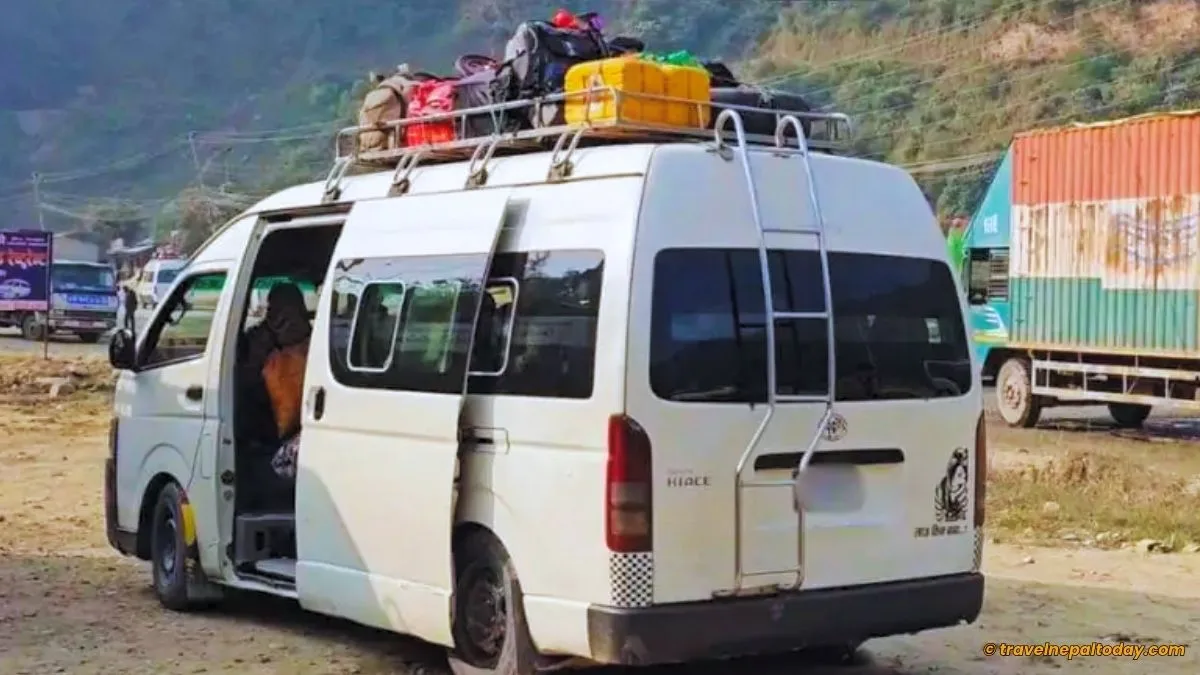
- Via passenger van: Around NPR 750 to 800 per person
- Via bus: NPR 1,000 to 1,600 per person (can go higher in peak season)
- Via flight: NPR 3,500 to 5,500 per person (can go higher in peak season)
Pokhara to Kande
- Via reserved taxi: NPR 1,000 to 1,500 (depends on your location)
- Via bus: Around NPR 100 per person (from Baglung Buspark / Hari Chowk)
Pokhara to Dhampus
- Via van: NPR 400 to 500 per person
- Via private jeep: NPR 7,000 to 10,000 per group
Pokhara to Pittam Deurali
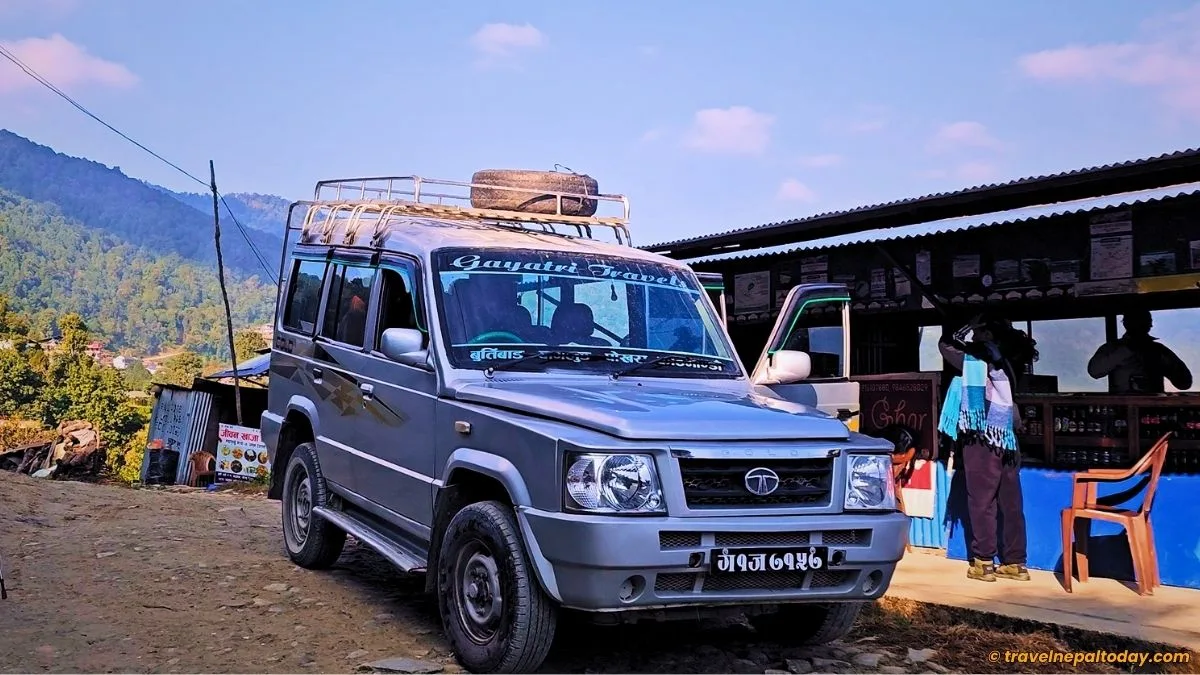
- Via bus: NPR 400 to 600 per person
- Via private jeep: NPR 7,000 to 10,000 per group
Pokhara to Kalimati / Sidhing
(one-way, same for return)
- Via private jeep: NPR 7,000 to 10,000 per group
For my Nepali friends planning to take a two-wheeler, you can reach the same points where jeeps/buses go. The farthest you can usually reach is Pittam Deurali, Kalimati, or Bhimjung (in Sidhing, which goes slightly more uphill).
The average distance to these locations is about 30 km from Pokhara, and petrol cost depends on your motorcycle or scooter’s mileage.
Travel Tip: For traveling within Kathmandu and Pokhara city, you can rely on ride-sharing apps easily downloadable from the App Store and Play Store.
Permits Fees
To trek Mardi Himal, you need the Annapurna Conservation Area Project (ACAP) permit. This is the entrance fee collected to enter the Annapurna Conservation Area.
Many people also mention the TIMS card, but this has become completely subjective. It was meant to track trekkers’ information, but since NTNC already handles this at the Pothana checkpoint, it’s no longer compulsory.
Permits can be applied for online, by visiting the NTNC office, or through trekking agencies. I’ve prepared a dedicated guide on getting Mardi Himal Trek permits, so do check it if you’re confused.
For now, here’s the cost breakdown:
- For SAARC nationals: NPR 1,000
- For foreigners: NPR 3,000
- For Nepalese: Free
Keep in mind that if you purchase an e-permit, it costs an extra 2.9%. Also, double fees are charged if you plan to get the permit directly from the checkpoint.
Accommodation Cost
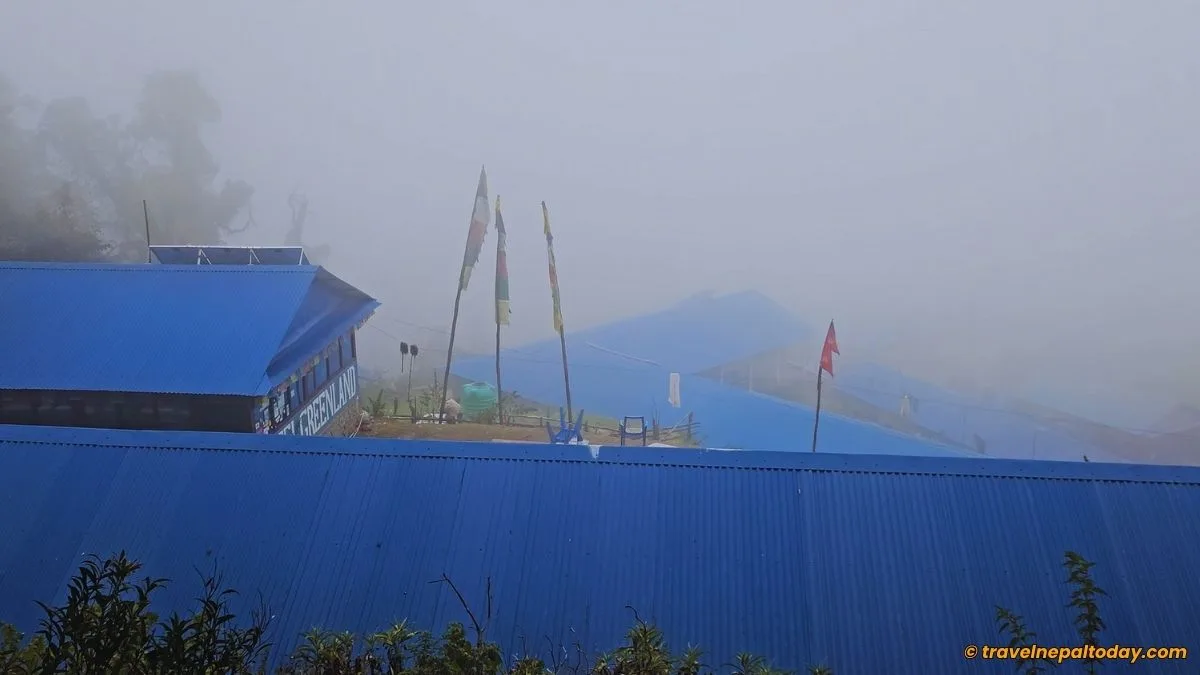
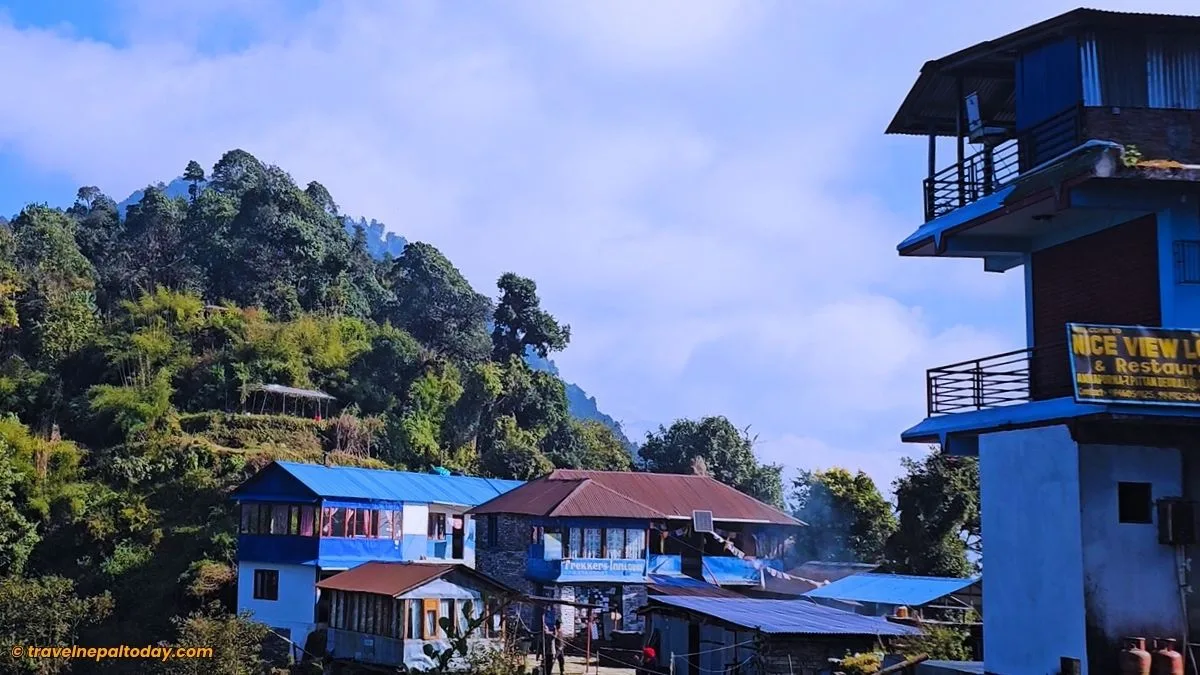
During the Mardi Himal Trek, accommodation is in local mountain lodges. There are no luxury stays anywhere along the trail.
There are two systems:
- Package system operated by the lodges
- Paying separately for rooms and ordering food from the menu
The accommodation cost itself is basic, usually around NPR 500 to 1,000 depending on the season and location. The higher you go, the more expensive it becomes.
If you choose the package system, the cost is on a per-head basis. You’ll need to pay around NPR 1,200 to 2,000 per person, depending on the location and season. Here’s a general idea:
- Dhampus: NPR 1,500 to 3,000+
- Pittam Deurali: NPR 1,500 to 2,000
- Forest Camp: NPR 1,200 to 1,500
- Rest Camp: NPR 1,200 to 1,700
- Low Camp: NPR 1,500 to 1,800
- High Camp: NPR 1,500 to 2,000
- Sidhing: NPR 1,200 to 1,500
When the trail is crowded, pre-booking your stays becomes important. Otherwise, it can be difficult to find rooms. In such cases, especially for Nepali trekkers, you may have to adjust inside dining halls!
Food Menu
Most food items are carried up by porters, which is why packed foods and drinks are relatively expensive.
Even a regular Dal Bhat costs more than NPR 500 beyond Forest Camp, and prices keep increasing as you go higher.
I always suggest choosing the package system if you’re trekking independently because it includes bed, dinner, and breakfast. It’s cheaper compared to paying separately for accommodation and food.
Also, the package usually includes charging and hot drinking water facilities, which are otherwise charged separately.
Besides Dal Bhat, you can order items like pasta, noodles, porridge, pancakes, momo, sandwiches, fried rice, and more. But note that none of these items costs below NPR 500.
Guides and Porters (Optional)
As mentioned earlier, the cost of a professional government-licensed trekking guide ranges from USD 20 to USD 50+ per day. I’ll soon update this guide with a list of recommended guides for the Mardi Himal Trek.
For porters, the cost usually ranges from USD 15 to 30+ per day. They can carry up to 20 kg. If you’re trekking in a group, you can share a porter based on your total luggage weight.
If you’re trekking with an agency, both guides and porters are included in the package, so there are no extra costs.
Nepal has a tipping culture in trekking. While it’s not compulsory, guides and porters appreciate it. Generally, tipping around 10% of your total trekking cost is considered decent.
Equipment and Gear Cost
If you already have gear from previous treks, you’ll save a good amount of money. Note that the prices mentioned earlier do not include your packing list costs.
For a moderate trek like Mardi Himal, you don’t need top-level gear. Good-quality hiking boots, trekking poles, and essential clothing are more than enough.
Here are some items I recommend:
Emergency Fund
You never know what unexpected situations might arise. Poor weather conditions, landslides, or health issues can delay your trek or require extra support.
I pray to God that nothing like that happens, but it’s always better to be prepared, right?
I recommend keeping at least NPR 5,000 aside as an emergency fund during your Mardi Himal Trek.
Pokhara Expenses
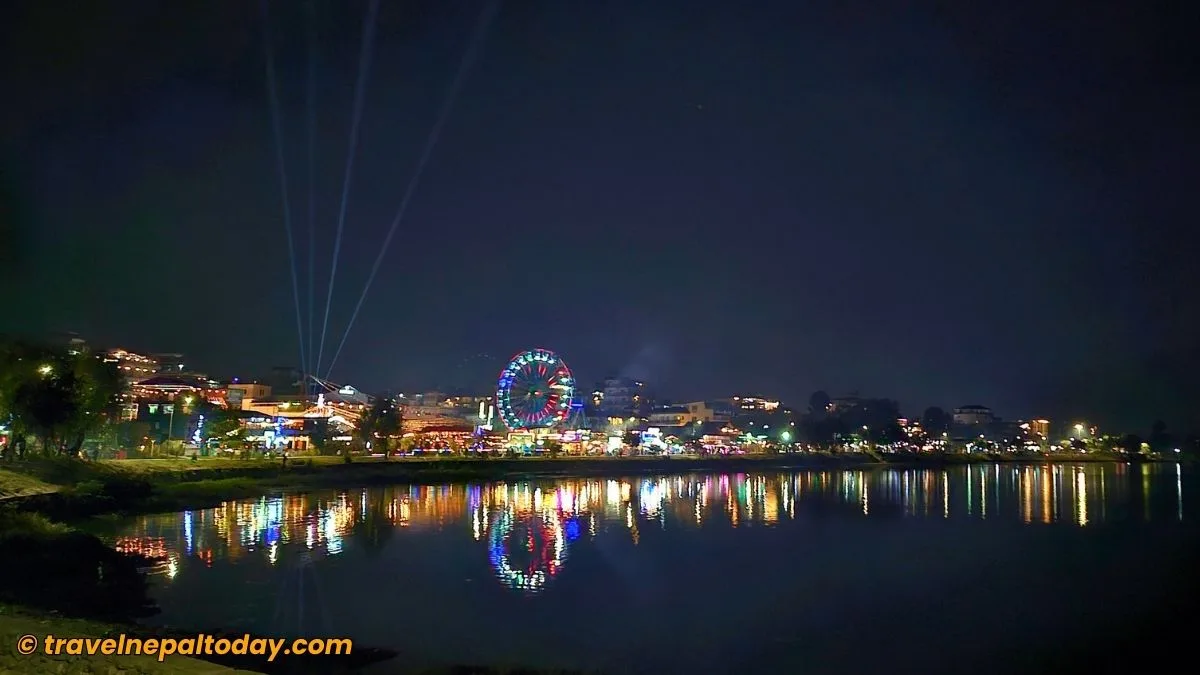
So far, we’ve only talked about trek-related costs. But since you’ll likely spend at least two nights in Pokhara, expenses here depend entirely on your travel and stay style.
Some travellers prefer resting without sightseeing, while others go for a full Pokhara tour. In the latter case, costs automatically increase.
Also, choosing flights to and from Pokhara makes it’s might not be possible to complete the trek under NPR 20,000, especially if you’re trekking for 5 to 6 days.
Travel Tip: You can even try kayaking or SUP in Phewa Lake when in Pokhara. It’s a trending activity you don’t want to miss!
Miscellaneous Costs
Apart from everything discussed above, there are some additional personal expenses.
For example, I always carry light snacks like dry noodles, biscuits, and chocolates on every trek.
Likewise, personal medicines, toiletries, and hygiene items may also add to your total cost.
Budgeting for Mardi Himal Trek (Personal Expenses With Tips)
I personally completed my 5-day Mardi Himal Trek for around NPR 7,000 on a tight budget. However, my overall trip cost, including Pokhara stays and final night celebration, came close to NPR 13,000.
Keep in mind that I’m a Nepali traveller, so these numbers won’t directly apply if you’re a foreigner. Costs differ significantly based on nationality.
Still, whether you’re travelling solo or in a group, independently or with an agency, here are some practical cost-cutting tips from my experience that can genuinely help:
- Rely on ride-sharing apps instead of offline taxis. In some cases, especially in Pokhara, drivers may ask you to increase the fare. Don’t agree to that!
- The Mardi Trek is popular even among locals, so try to share jeeps as much as possible instead of reserving a private one.
- Get your permits beforehand, preferably in Kathmandu. As mentioned earlier, getting permits directly at the checkpoints means you’ll have to pay double.
- If you’re booking through a trekking agency, clearly understand what’s included and excluded, and also request your guide information beforehand.
- For Nepali trekkers: carry dry snacks from Kathmandu or Pokhara itself. Buying snacks along the trail will cost you a significant amount. For foreigners: I actually suggest the opposite. Buying along the trail helps support the local economy.
- If you’re trekking independently, choose the package system at lodges. Western food options aren’t great in quality, honestly. Dal Bhat is the best choice, and it’s included in the package. Packages also usually include charging and drinking water, which otherwise cost extra.
- Carry enough cash. Don’t rely on online payment systems because they’re unreliable in the mountains.
- Split your cash smartly. Don’t keep all your money in one pocket. Distribute it across different sections of your bag or clothing.
- Carry your own water bottle. Buying mineral water is only possible up to Badal Danda, and relying on it isn’t practical beyond that. In fact, I recommend carrying a high-quality thermos, as you might not get hot water early in the morning at High Camp due to cold weather.
- While hotels are generally generous with discounts, don’t bargain too aggressively. You can negotiate more confidently while hiring jeeps or shopping in towns.
- Try trekking during slightly off-season times. For example, autumn coincides with Dashain–Tihar holidays for Nepalis, so overcrowding is common. Instead of that, spring would be great, but even better budget-wise are summer or early winter if the weather permits.
- Hot showers, available in the lower sections of the trek, may look tempting. But they add NPR 250 to 500 to your expenses. Only opt for them if you really need one.
- Renting trekking gear is possible, but honestly, in many cases, you can buy new items at a similar price. So while renting might seem cheaper, I personally wouldn’t recommend it.
- For Pokhara stays, don’t book hotels randomly. Check the rooms properly first, and once you’re satisfied, negotiate the price here. Scams can happen, especially to those who haven’t had a good experience in Pokhara before.
Book Mardi Himal Trek with Travel Nepal Today
Honestly, there are over 3,000 trekking agencies in Nepal, but we’re not one of them. Travel Nepal Today is here to assist you better, not to organize trips ourselves.
We’ve partnered with reliable and trustworthy trekking agencies that share the same goal as us: “Enhancing your travel experience when in Nepal.”
So, if you loved this article and are now ready to take on the adventure, let me help you with bookings, whether you’re planning an individual trek or an organised one. Just fill out the form below, and our TNT team will contact you shortly.
Final Words
I hope I was able to give you a clear idea of how costs vary on the Mardi Himal Trek. Honestly, this cost structure applies to other treks in Nepal as well.
Before wrapping up, there’s just one thing I want to say:
Plan your trip properly, especially if you’re trekking independently without third-party support. Try to pre-book both transportation and accommodations. This way, you’ll already have a rough idea of how much you’ll spend before even starting the trek.
If you’re still feeling confused, don’t hesitate to leave a comment below. I’ll personally help you out. Thanks for reading and…
Happy travelling to Kaski!
About The Author